
Zero-Oil Cooking vs. Traditional Methods: Which Is Right for You?


Understanding Zero-Oil Cooking
Zero-oil cooking is a culinary technique that eliminates the use of oil in food preparation. This method relies on alternative cooking techniques like steaming, baking, and grilling to maintain flavor and texture without the added fat. Adopting a zero-oil cooking approach can be beneficial for those looking to reduce calorie intake and improve heart health.
One of the primary benefits of zero-oil cooking is the reduction in saturated fats, which are often linked to heart disease and obesity. By avoiding oil, you can enjoy meals that are lower in calories and potentially more heart-healthy.
The Pros and Cons of Traditional Cooking Methods
Traditional cooking methods often rely on oils and fats to enhance flavor, texture, and aroma. These methods have been used for centuries and are deeply rooted in culinary traditions worldwide. However, while oils can enhance taste, they also add calories and may contribute to health issues if consumed in excess.
Despite these concerns, oils do offer some nutritional benefits. For instance, olive and coconut oils contain healthy fats that can support brain function and provide essential nutrients. The key is to use them in moderation.
Balancing Flavor and Health
Finding the right balance between flavor and health is crucial. Traditional methods can provide rich, satisfying flavors, but zero-oil cooking offers a healthier alternative. The choice depends on your health goals and personal preferences.

Choosing the Right Method for You
When deciding between zero-oil cooking and traditional methods, consider your dietary needs and lifestyle. If you’re aiming to reduce calorie intake or manage weight, zero-oil cooking might be more suitable. On the other hand, if you enjoy rich flavors and have no dietary restrictions, traditional methods can still be part of a healthy diet when oils are used sparingly.
Many people find a hybrid approach works best, incorporating both methods into their cooking routine. This allows for variety and the ability to enjoy diverse flavors while still maintaining a balanced diet.
Practical Tips for Zero-Oil Cooking
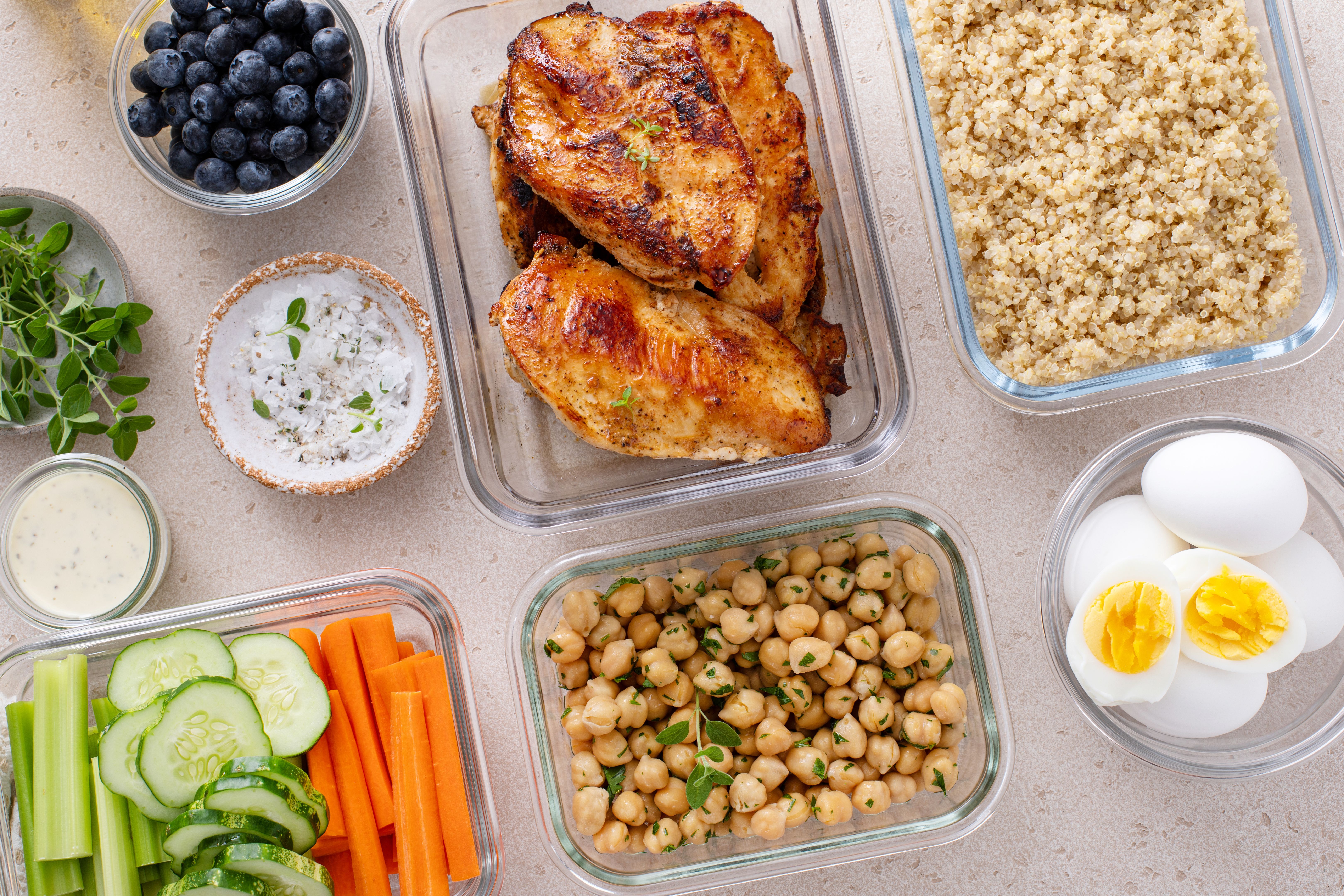
If you’re new to zero-oil cooking, start by experimenting with simple recipes like steamed vegetables, baked dishes, and grilled proteins. Use herbs and spices to enhance flavor without added fats. Non-stick cookware and parchment paper can also be helpful tools to prevent sticking without oil.
For those who enjoy traditional cooking, try reducing the amount of oil used in recipes or substituting with healthier oils like olive or avocado oil. This can help maintain flavor while improving nutritional value.
Conclusion: Making Informed Choices
Ultimately, whether you choose zero-oil cooking or traditional methods, the goal is to make informed choices that align with your health objectives and taste preferences. By understanding the benefits and limitations of each approach, you can create meals that are both delicious and nourishing.
Remember, the best diet is one that is sustainable and enjoyable for you, ensuring that you can maintain a healthy lifestyle in the long term.