Zero Oil Cooking: Transforming Indian Cuisine for Health-Conscious Diners


Introduction to Zero Oil Cooking
The concept of zero oil cooking is rapidly gaining traction among health-conscious diners, particularly in India, where traditional cuisine is often associated with rich, oily dishes. This innovative cooking method not only promotes a healthier lifestyle but also preserves the authentic flavors of Indian cuisine.
Zero oil cooking involves preparing meals without any added oils, allowing the natural flavors of ingredients to shine through. This approach is not only beneficial for weight management but also plays a crucial role in reducing the risk of heart diseases and other health issues.
The Benefits of Zero Oil Cooking
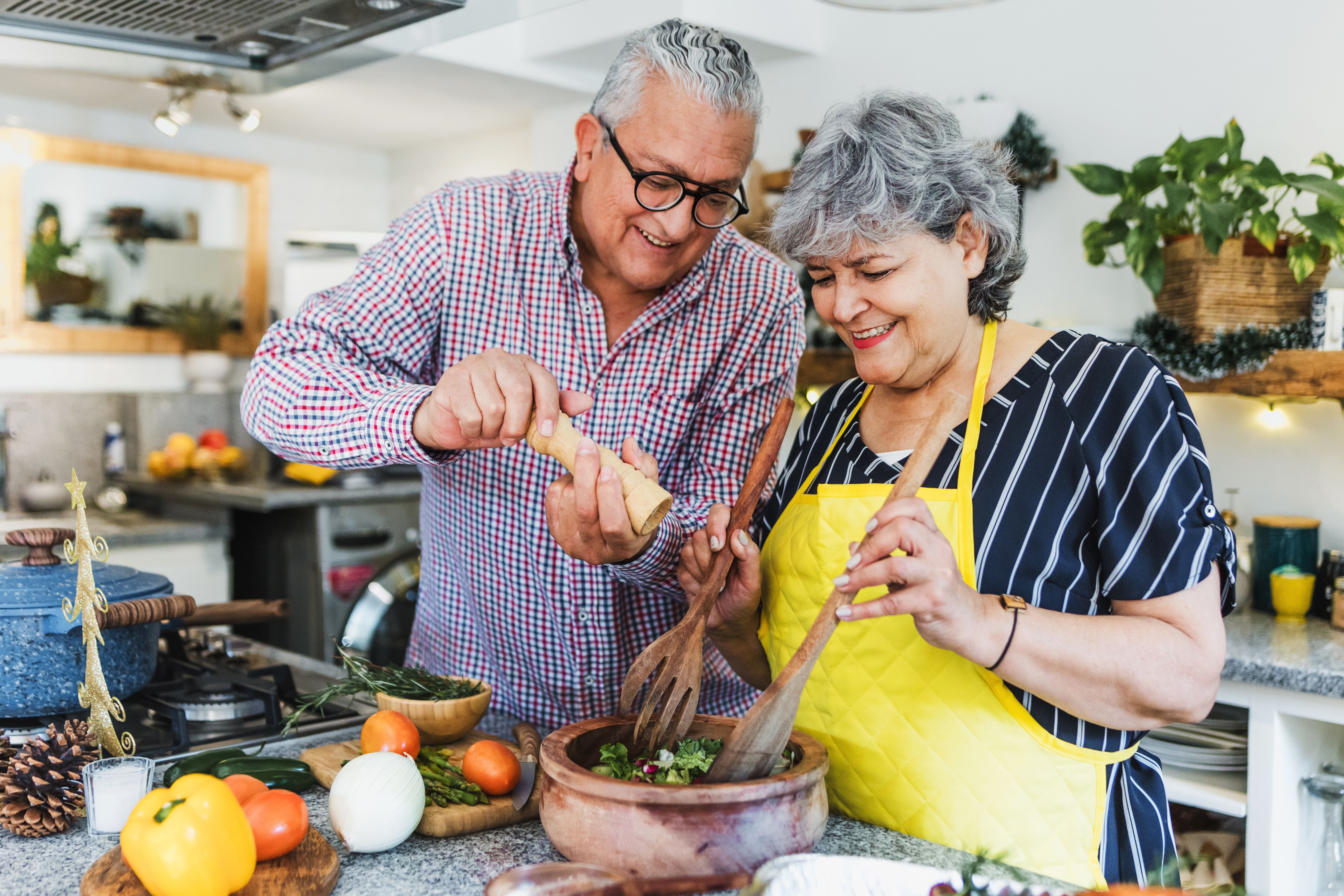
Adopting zero oil cooking can lead to numerous health benefits. By eliminating oil, you reduce calorie intake significantly, which can aid in weight loss and management. Additionally, this method helps in lowering cholesterol levels, thus supporting heart health.
Moreover, zero oil cooking maintains the nutritional integrity of ingredients. Vitamins and minerals are preserved, providing a nutritious and balanced meal. This method is particularly beneficial for those with dietary restrictions or chronic health conditions.
Impact on Traditional Indian Dishes
Transforming traditional Indian dishes to align with zero oil principles requires creativity and a willingness to experiment. Spices and herbs play a vital role in this transformation, offering a depth of flavor that compensates for the absence of oil.
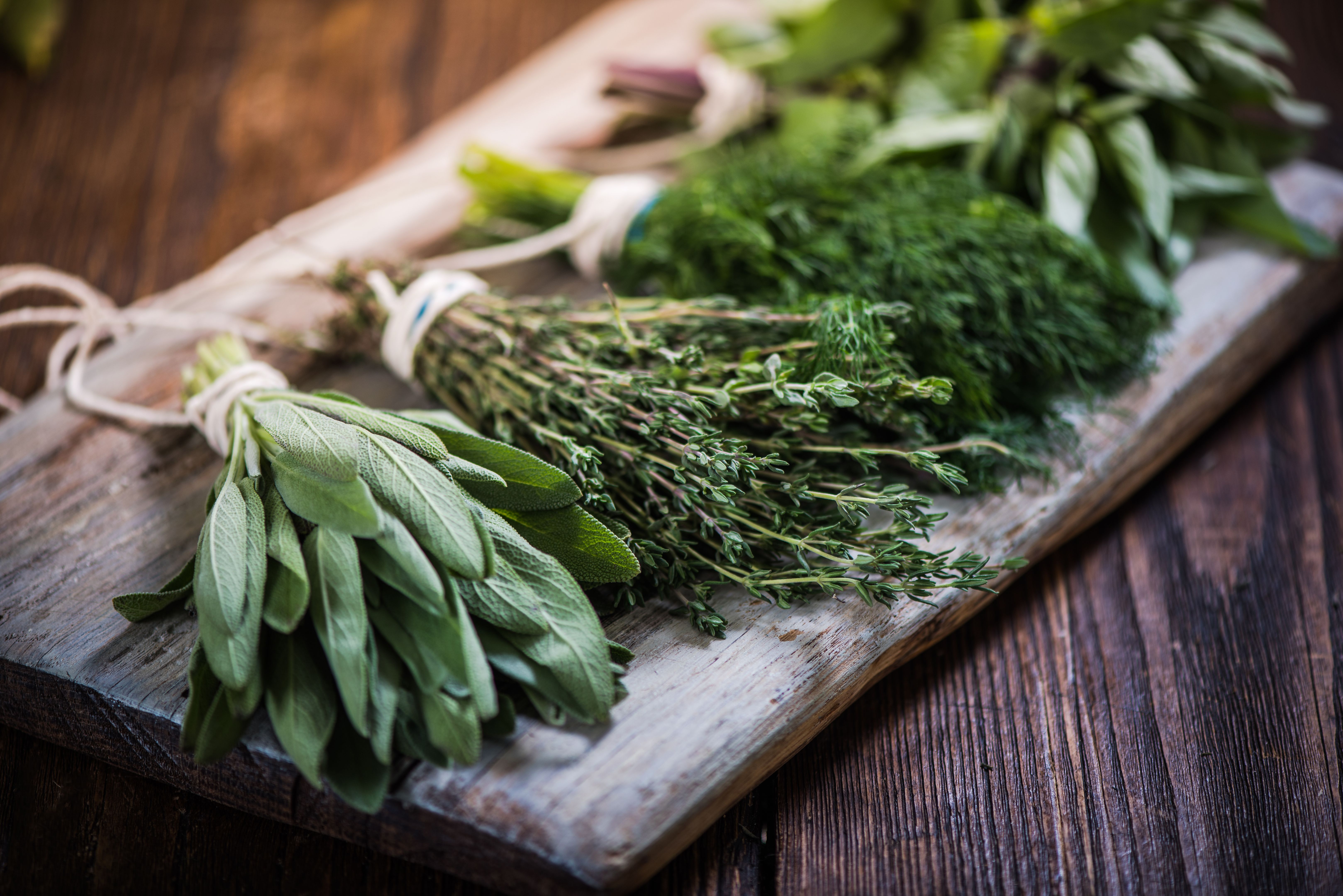
For instance, dishes like dal and sabzi can be prepared using water or vegetable broth instead of oil, while roasting and baking can replace frying. These techniques help in retaining the essence of Indian cuisine while making it healthier.
Techniques and Tips for Zero Oil Cooking
Here are some techniques to master zero oil cooking:
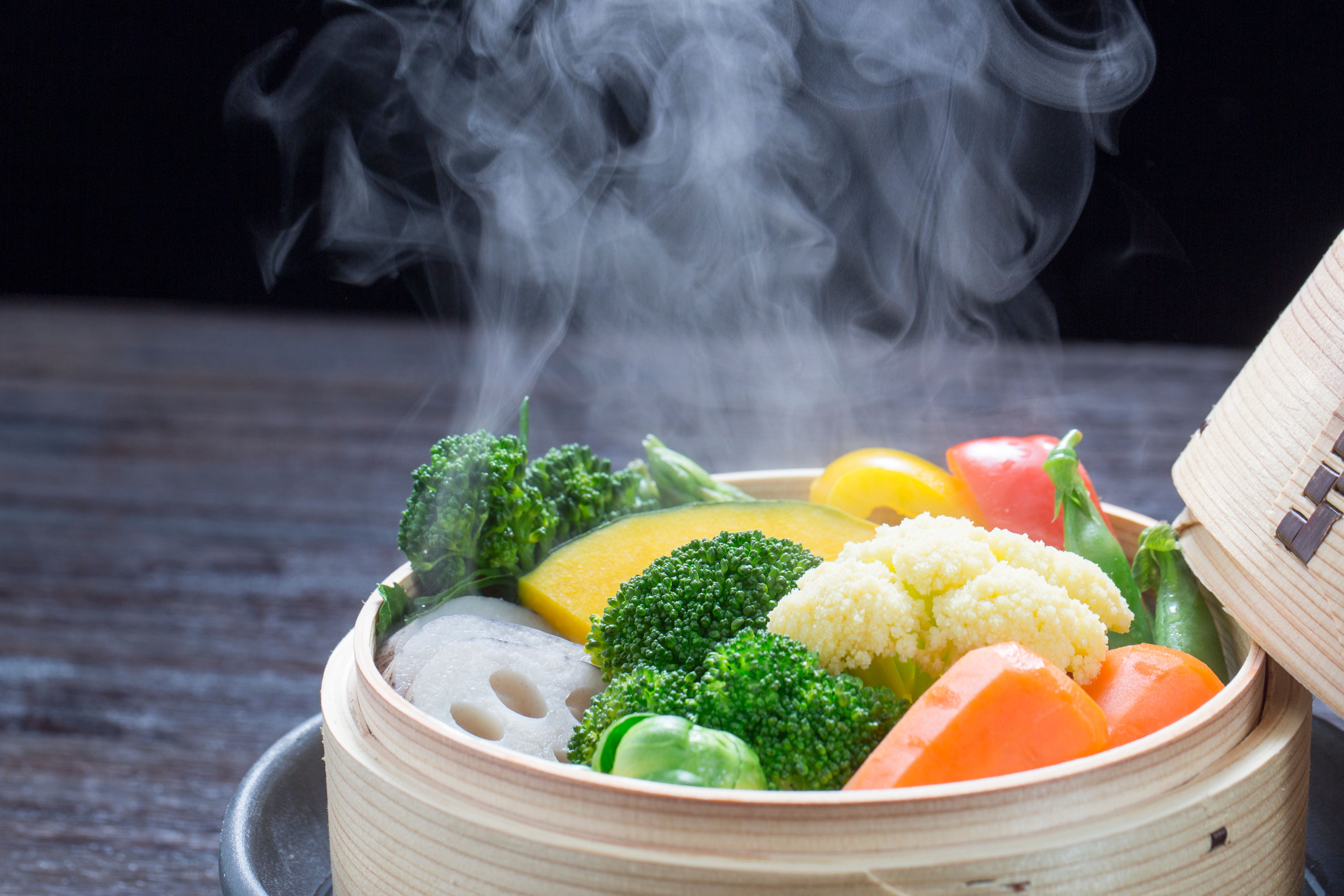
- Steaming: A great way to cook vegetables while preserving their nutrients.
- Grilling: Adds a smoky flavor without the need for oil.
- Pressure Cooking: Speeds up cooking time and enhances flavors.
To enhance flavors, use a variety of herbs and spices. Ginger, garlic, turmeric, and cumin are excellent choices that align perfectly with Indian cuisine.
Incorporating Zero Oil Cooking into Your Lifestyle
Making the shift to zero oil cooking can be seamless and enjoyable. Start by gradually reducing the use of oil in your daily meals. Experiment with new recipes and cooking techniques to discover what works best for you.
Involve your family and friends in this journey. Share recipes and cooking tips to make the transition enjoyable and rewarding. By adopting zero oil cooking, you are not only enhancing your health but also contributing to a sustainable lifestyle.
Conclusion
Zero oil cooking is more than just a trend; it's a transformative approach to enjoying delicious, authentic Indian cuisine while prioritizing health. With its numerous benefits, this cooking method is set to redefine how we perceive and prepare traditional dishes.
Embrace zero oil cooking today and experience the delightful fusion of health and taste. Whether you're a seasoned cook or a beginner, there's always room to innovate and savor the true essence of Indian cuisine.