
Zero Oil Cooking: Myths vs. Reality


Understanding Zero Oil Cooking
Zero oil cooking is gaining popularity as a healthier alternative to traditional cooking methods. By eliminating oil, you can reduce calorie intake and promote heart health. However, misconceptions often arise about this approach, leading to confusion.
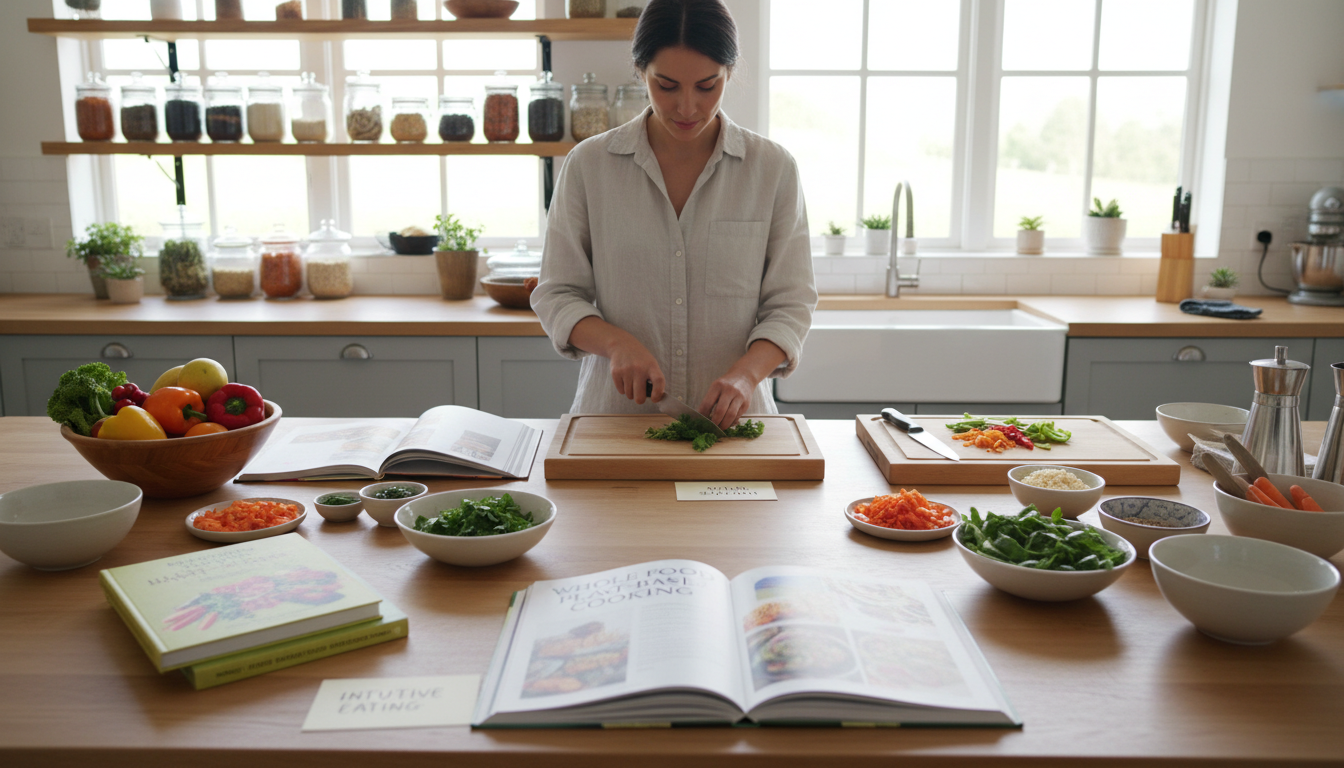
Many people believe that zero oil cooking means bland, tasteless food. This is far from true. By using herbs, spices, and natural flavors, dishes can still be delicious and satisfying without a drop of oil.
Common Myths About Zero Oil Cooking
Myth 1: Lack of Flavor
One of the biggest myths is that zero oil cooking lacks flavor. In reality, it encourages the use of fresh ingredients and spices. Techniques like steaming, grilling, and roasting enhance the natural taste of food.
Myth 2: Nutrition Loss
Some think that cooking without oil leads to a loss of nutrients. Contrary to this belief, zero oil methods can preserve vitamins and minerals by avoiding high-temperature frying.
Benefits of Zero Oil Cooking
Heart Health
A major advantage is improved heart health. By cutting out oil, you reduce saturated fats and cholesterol, which can lead to healthier heart functions.
Weight Management
Zero oil cooking can aid in weight management. It reduces calorie intake, making it easier to maintain or achieve a healthy weight without sacrificing taste.

How to Embrace Zero Oil Cooking
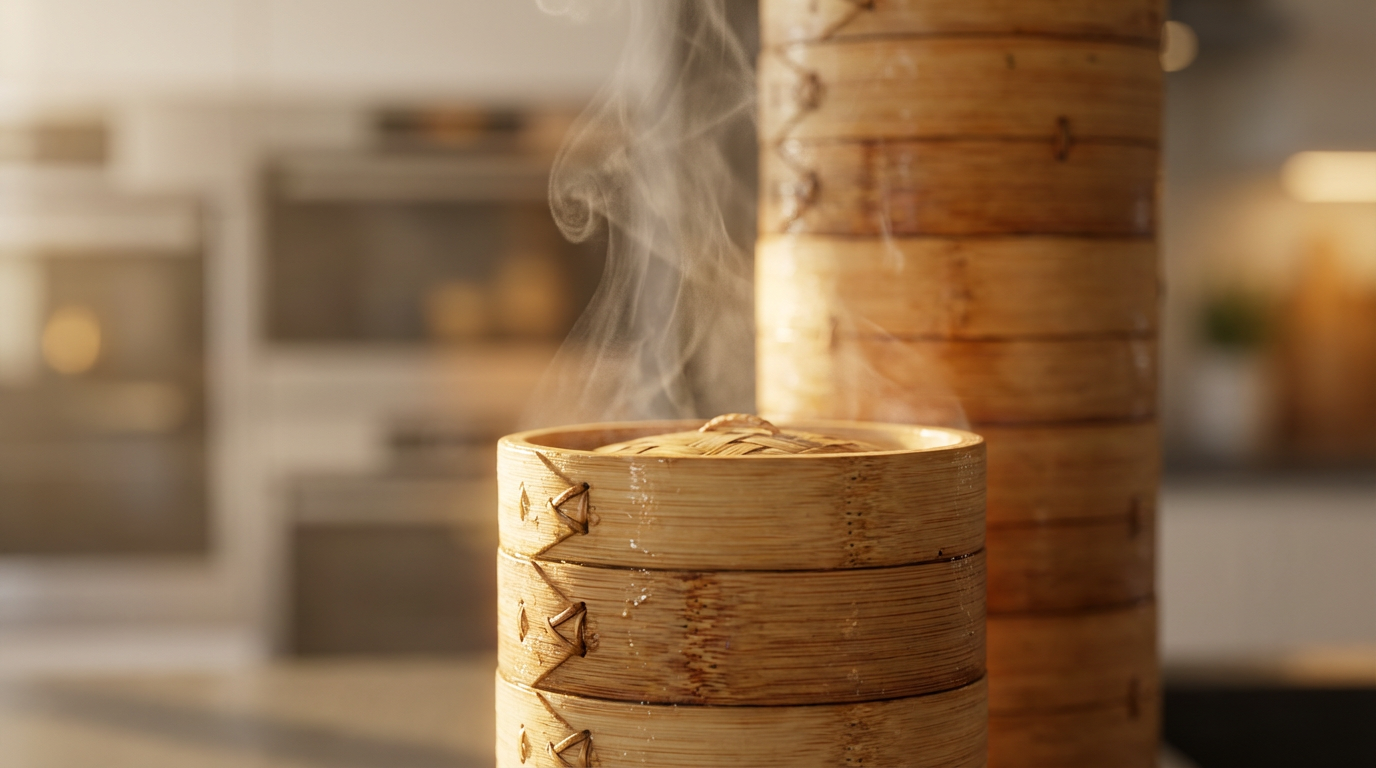
Adopting zero oil cooking involves a few adjustments. Begin by experimenting with different cooking techniques. Steaming and baking are excellent options that maintain flavor and texture.
- Use non-stick cookware to prevent sticking.
- Incorporate fresh herbs and spices for added flavor.
- Explore alternative cooking methods like air frying.
Conclusion: The Reality of Zero Oil Cooking
Zero oil cooking is more than a trend; it's a sustainable lifestyle choice that offers numerous health benefits. By debunking myths and embracing reality, you can enjoy flavorful and nutritious meals without compromising on health.