Zero-Oil Cooking: Debunking Myths and Answering FAQs


Understanding Zero-Oil Cooking
Zero-oil cooking is gaining popularity as a healthy alternative to traditional cooking methods. It involves preparing meals without the use of any oil, appealing to those looking to reduce calorie intake and improve heart health. But what exactly does this method entail, and how can one ensure flavorful dishes without oil?
At its core, zero-oil cooking focuses on using natural flavors and alternative cooking methods. Techniques such as steaming, grilling, and baking are often employed to bring out the best in ingredients. The goal is to maintain nutritional value while enhancing taste.
Debunking Common Myths
Myth 1: Zero-Oil Cooking is Bland
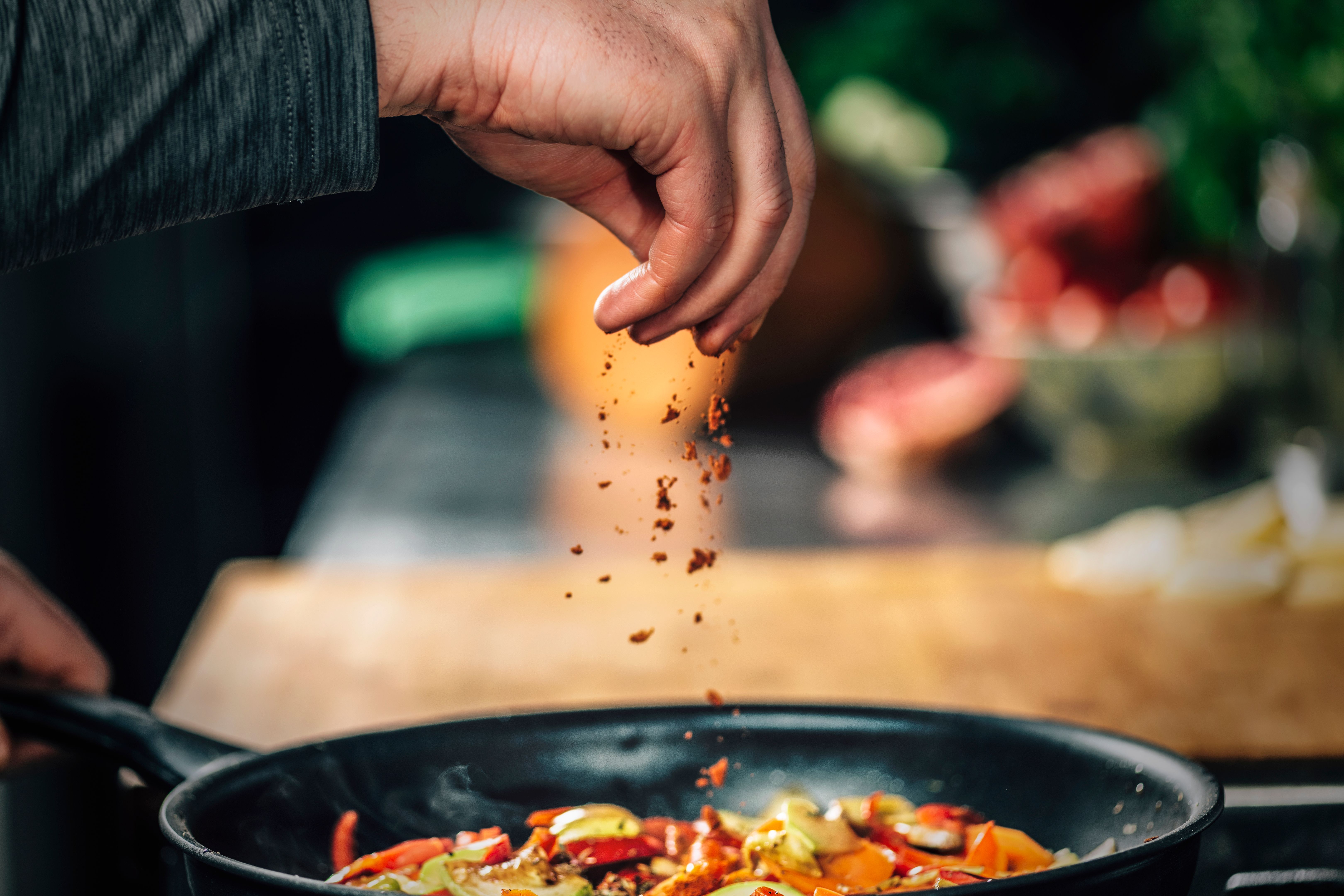
One of the most common misconceptions is that zero-oil cooking results in tasteless food. However, this is far from the truth. By using herbs, spices, and other flavor enhancers, you can create delicious meals. Ingredients like garlic, ginger, and lemon can add depth and complexity to dishes.
Myth 2: It's Only for Dieting
Another myth is that zero-oil cooking is solely for those on a diet. In reality, it appeals to anyone interested in a healthier lifestyle. By eliminating oil, you reduce unnecessary fats, making it beneficial for everyone, not just those looking to lose weight.
Answering Frequently Asked Questions
What Should I Use Instead of Oil?
You can use broth, water, or vinegar as alternatives to oil for sautéing or frying. These substitutes help keep food moist while providing a different dimension of flavor. Non-stick cookware also plays a crucial role in ensuring that food doesn’t stick without the need for oil.
Can I Achieve Crispy Textures Without Oil?
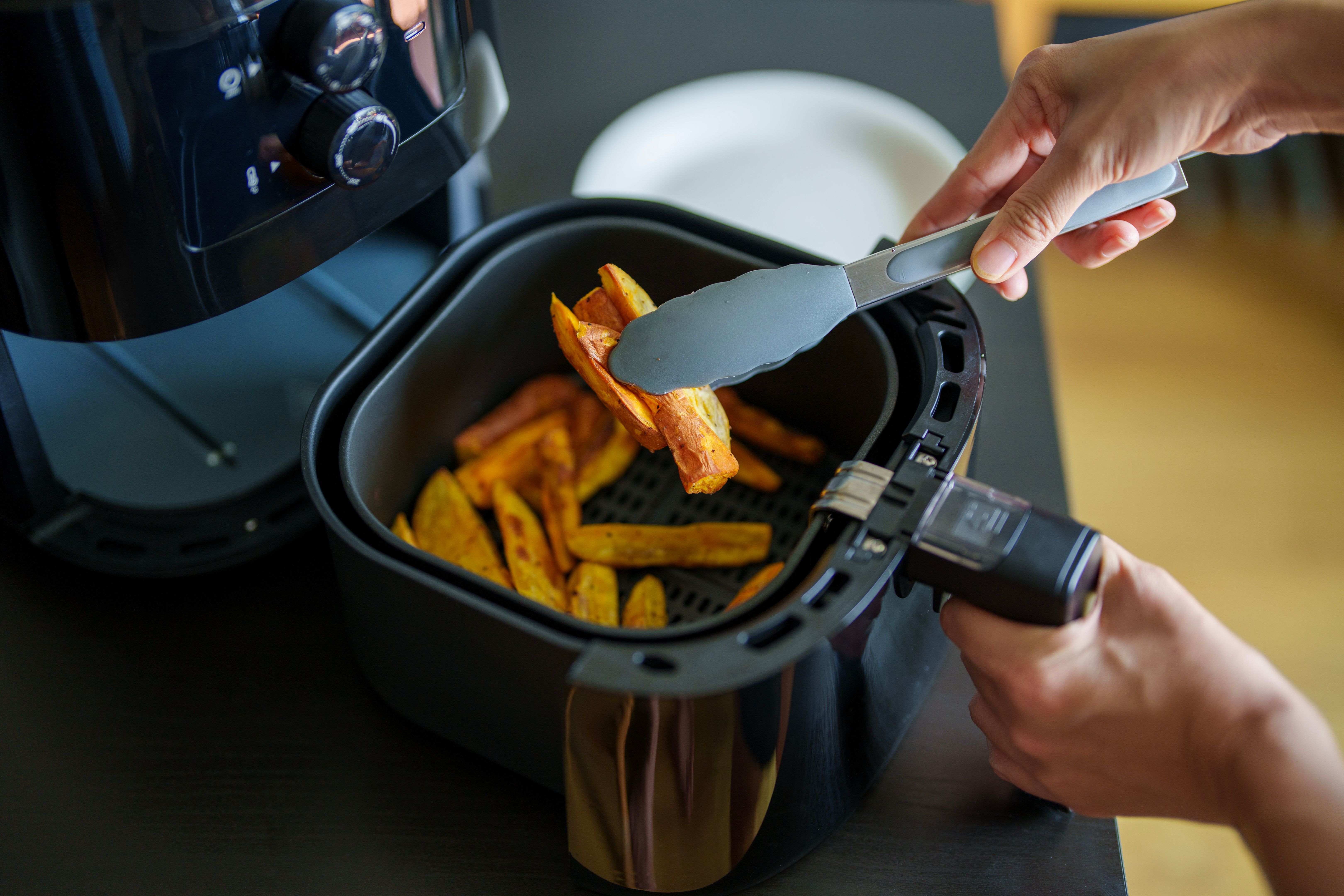
Yes, achieving a crispy texture is possible without using oil. Techniques like air frying or baking at high temperatures can give you the desired crispiness without adding extra fat. Using breadcrumbs or cornmeal can also enhance the texture of your dishes.
Tips for Successful Zero-Oil Cooking
To succeed in zero-oil cooking, it’s essential to focus on the quality of your ingredients. Fresh produce not only tastes better but also retains more nutrients. Experimenting with different cooking methods can also open up new flavors and textures.
- Incorporate a variety of herbs and spices for added flavor.
- Use natural sweeteners like honey or maple syrup where needed.
- Focus on the natural flavors of vegetables and grains.
In conclusion, zero-oil cooking is not just a trend but a sustainable way to enjoy healthy, delicious meals. By understanding the techniques and debunking common myths, you can embrace this cooking style with confidence.