
Top Zero-Oil Cooking Myths Debunked


Understanding Zero-Oil Cooking
Zero-oil cooking has gained popularity among health enthusiasts and those seeking a balanced diet. However, with its rise, several myths have emerged, creating confusion about its effectiveness and benefits. Let's explore some common misconceptions and set the record straight.
Myth 1: Zero-Oil Cooking Lacks Flavor
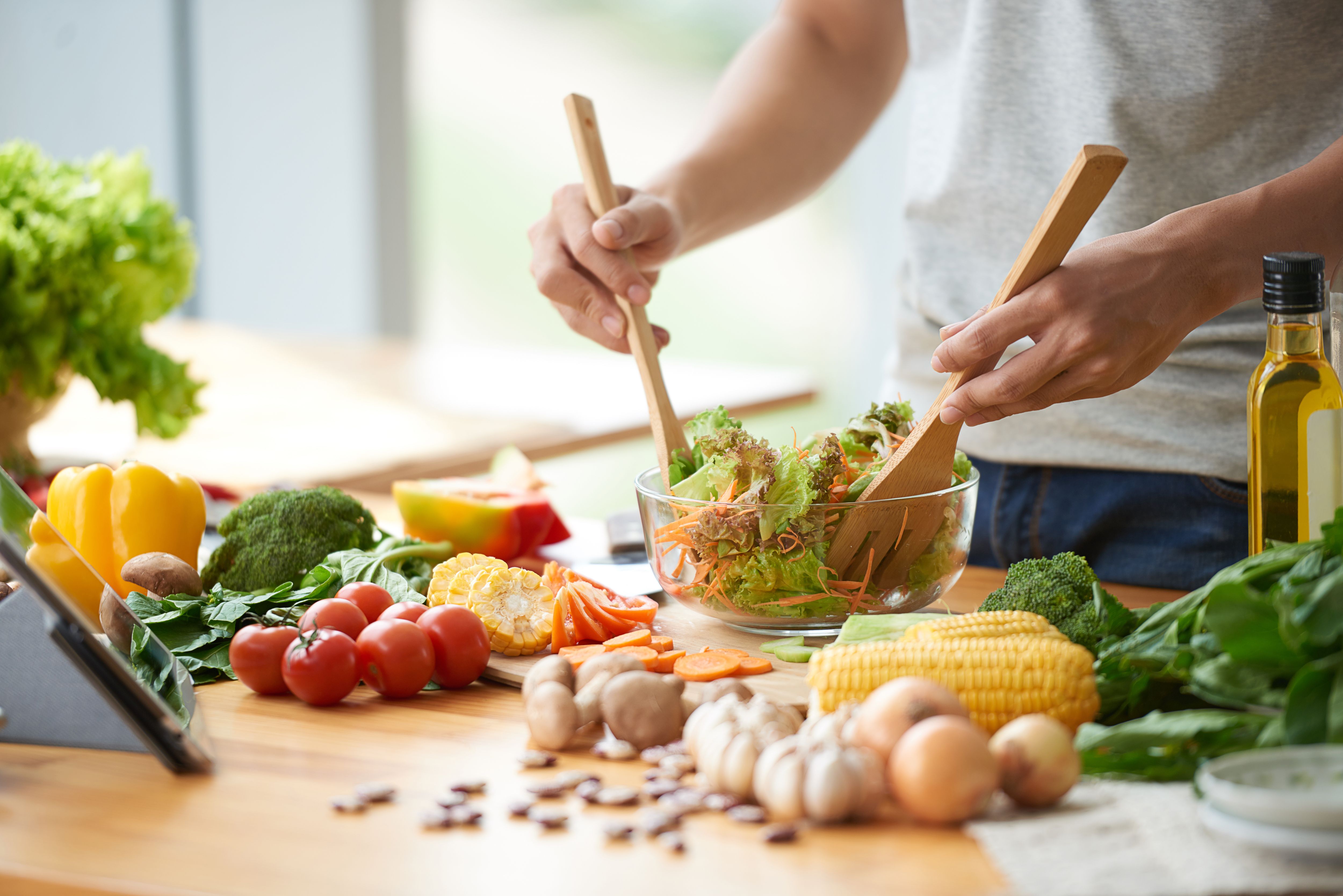
One of the most prevalent myths is that dishes prepared without oil are bland and tasteless. In reality, zero-oil cooking can be incredibly flavorful. By using herbs, spices, and natural ingredients, you can create dishes that are aromatic and delicious. Techniques like steaming, grilling, and roasting can enhance the natural flavors of food without the need for added oil.
For instance, using fresh herbs like basil or cilantro can add a burst of flavor, while spices like cumin or paprika can bring a dish to life. It's all about experimenting with different combinations to find what satisfies your taste buds.
Myth 2: Cooking Without Oil Is Unhealthy
Another common misconception is that cooking without oil means missing out on essential nutrients. While certain oils do provide healthy fats, zero-oil cooking focuses on utilizing other nutrient-rich ingredients. Incorporating nuts, seeds, and avocados can ensure you're getting the necessary healthy fats.
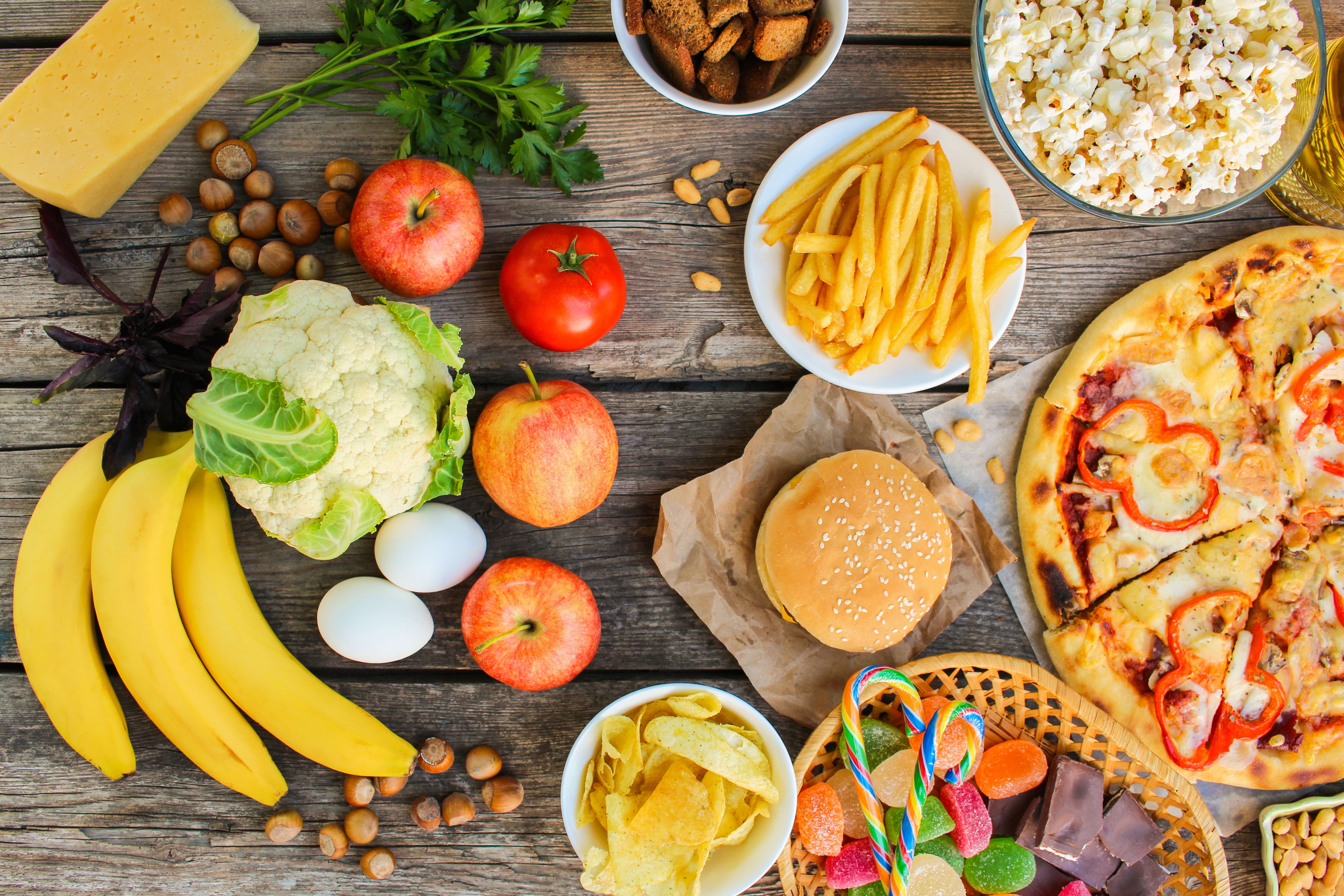
Moreover, zero-oil cooking often involves using whole foods, which are packed with vitamins, minerals, and antioxidants. This approach not only supports weight management but also promotes overall well-being.
Myth 3: Zero-Oil Cooking Is Time-Consuming
Many believe that preparing meals without oil requires more time and effort. While some techniques might take a little longer, zero-oil cooking can be efficient and convenient. Using tools like non-stick pans, air fryers, and pressure cookers can significantly reduce cooking time.
Additionally, batch cooking and meal prepping can save time during the week, making it easier to stick to a zero-oil diet without spending hours in the kitchen.
Myth 4: It's Only for Dieters
Lastly, some people think that zero-oil cooking is solely for those on a diet. However, it can be a sustainable lifestyle choice for anyone looking to improve their health. By focusing on whole, natural ingredients, you can create satisfying and nutritious meals that everyone can enjoy, regardless of dietary goals.
Zero-oil cooking encourages mindful eating and a deeper appreciation for the natural tastes and textures of food. It's about making conscious choices that benefit your body in the long run.
In conclusion, zero-oil cooking is not just a trend but a viable option for anyone interested in a healthier lifestyle. By dispelling these myths, you can embrace this approach with confidence and creativity.