
The Science Behind Zero-Oil Cooking Techniques: FAQs Answered


Zero-oil cooking is gaining popularity as a healthier alternative to traditional methods. By eliminating oil, you can reduce calorie intake and promote better heart health. But how does it work, and what techniques can be used to ensure delicious meals? This post explores the science behind zero-oil cooking and answers some frequently asked questions.
How Does Zero-Oil Cooking Work?
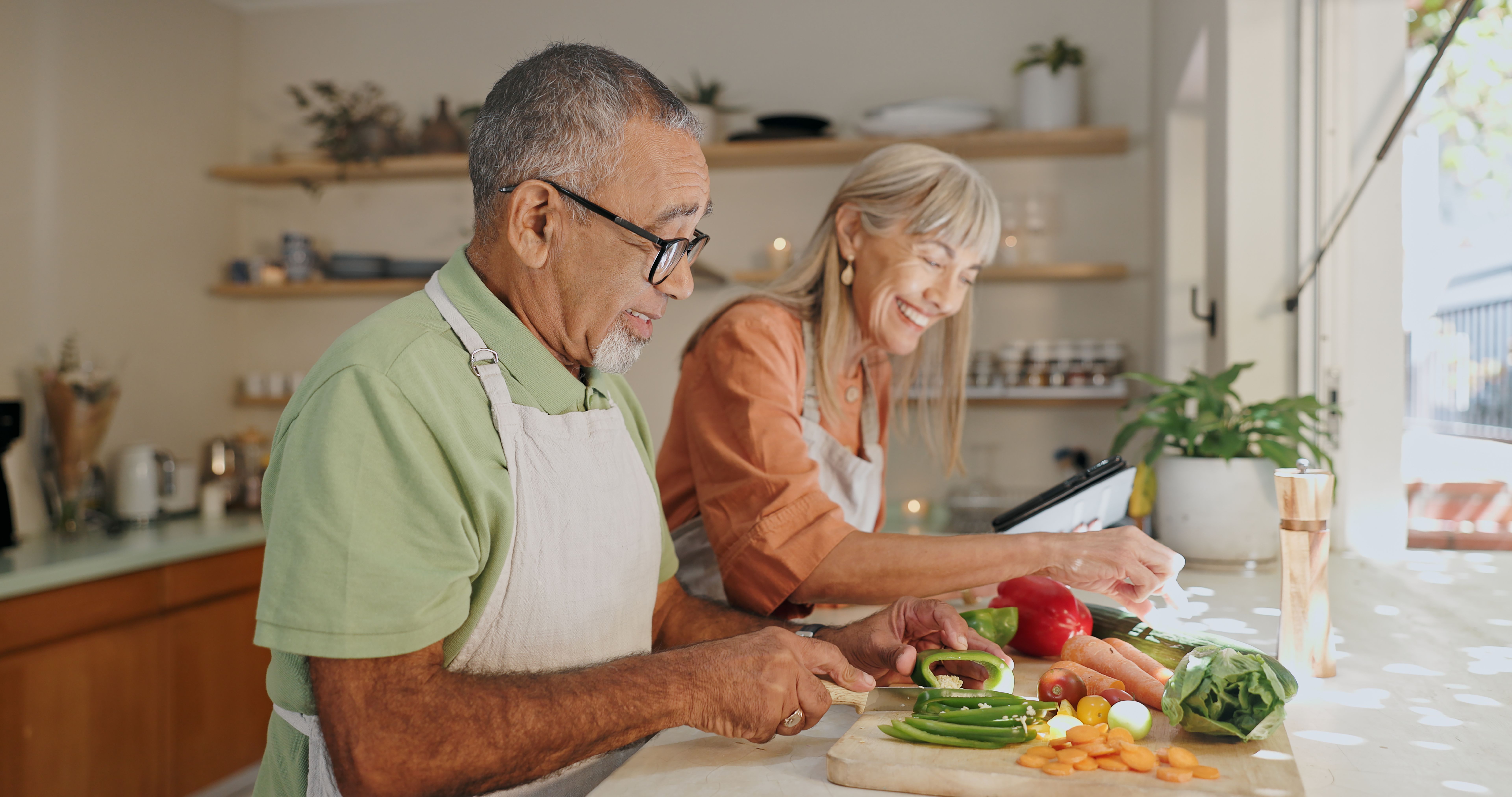
The primary goal of zero-oil cooking is to eliminate or significantly reduce the use of oil without sacrificing flavor or texture. This is achieved through various techniques that leverage natural moisture and flavors inherent in foods.
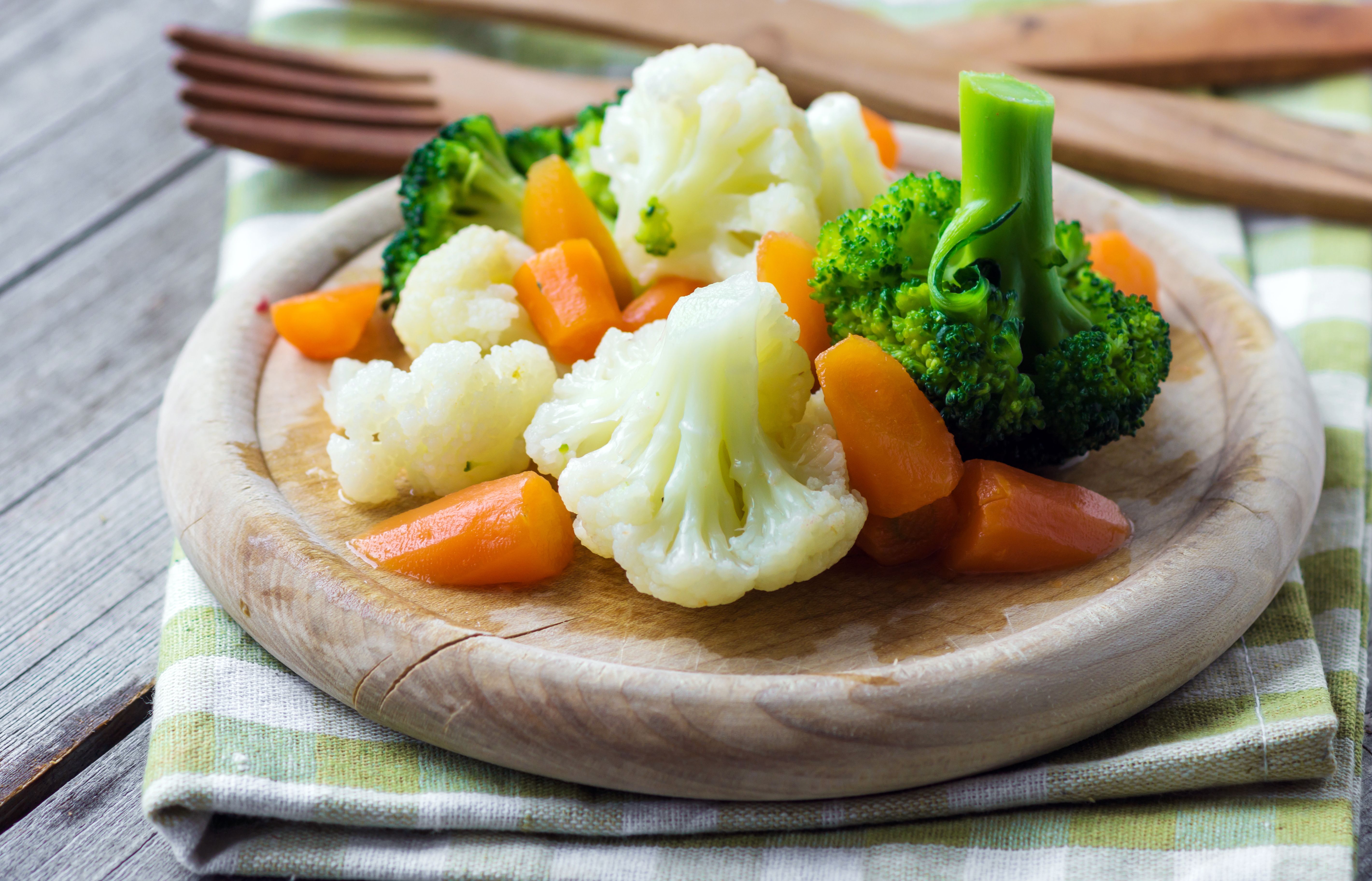
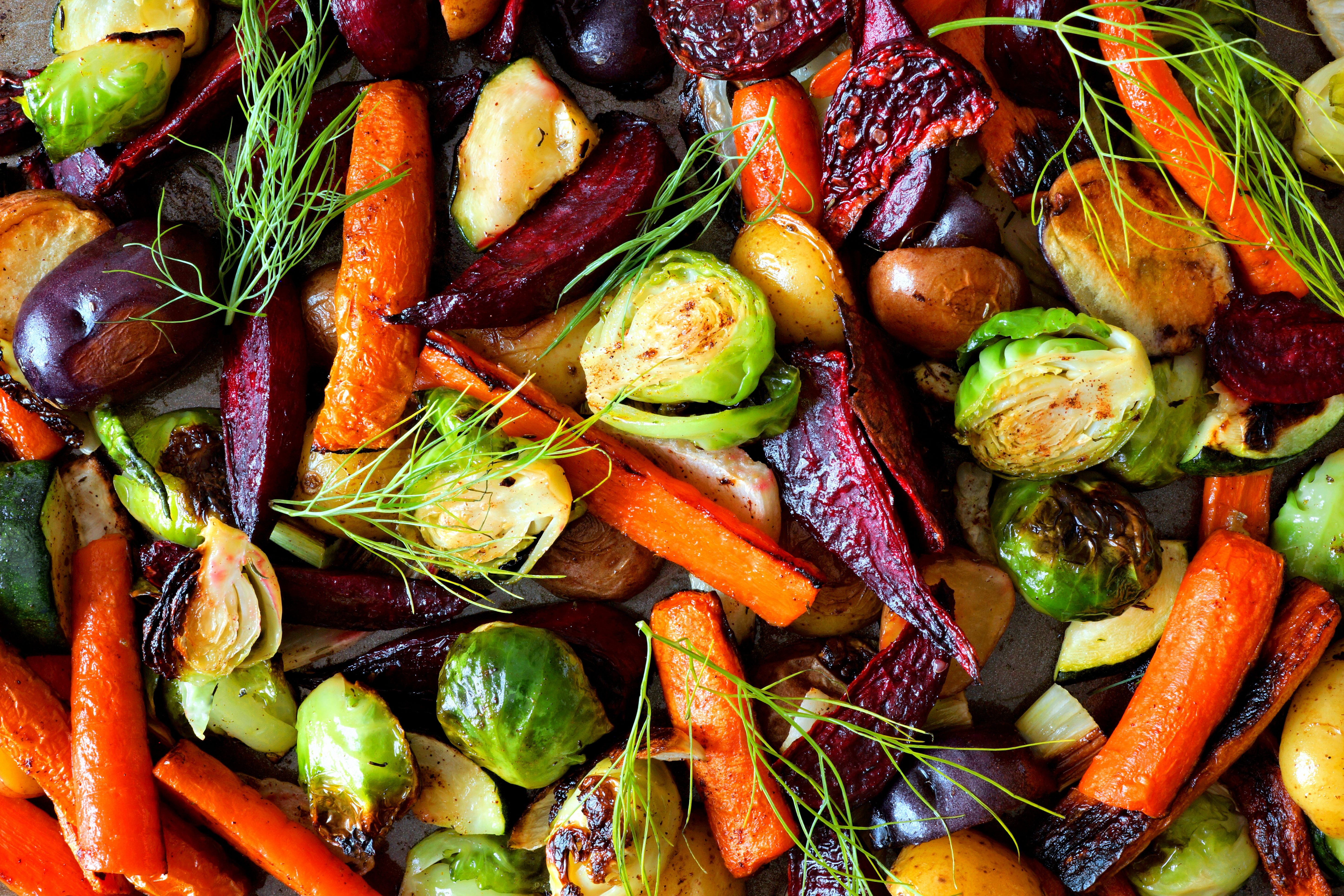
One popular method is steaming, where food is cooked through the heat of steam, preserving nutrients and flavors. Baking and roasting are also effective, allowing the natural sugars in vegetables to caramelize, enhancing taste without added fats.
Why Choose Zero-Oil Cooking?
Choosing zero-oil cooking can have multiple health benefits. It can help reduce cholesterol levels and lower the risk of heart disease. Additionally, it supports weight management by cutting unnecessary calories from oils and fats. For those seeking a balanced diet, zero-oil cooking is an excellent choice.
What Techniques Are Used in Zero-Oil Cooking?
Several techniques can be employed to cook without oil:
- Steaming: This technique uses steam to gently cook food, preserving nutrients and flavor.
- Grilling: Often associated with outdoor cooking, grilling can add a smoky flavor to food without oil.
- Baking: Utilizing dry heat, baking can create crispy textures, especially in vegetables.
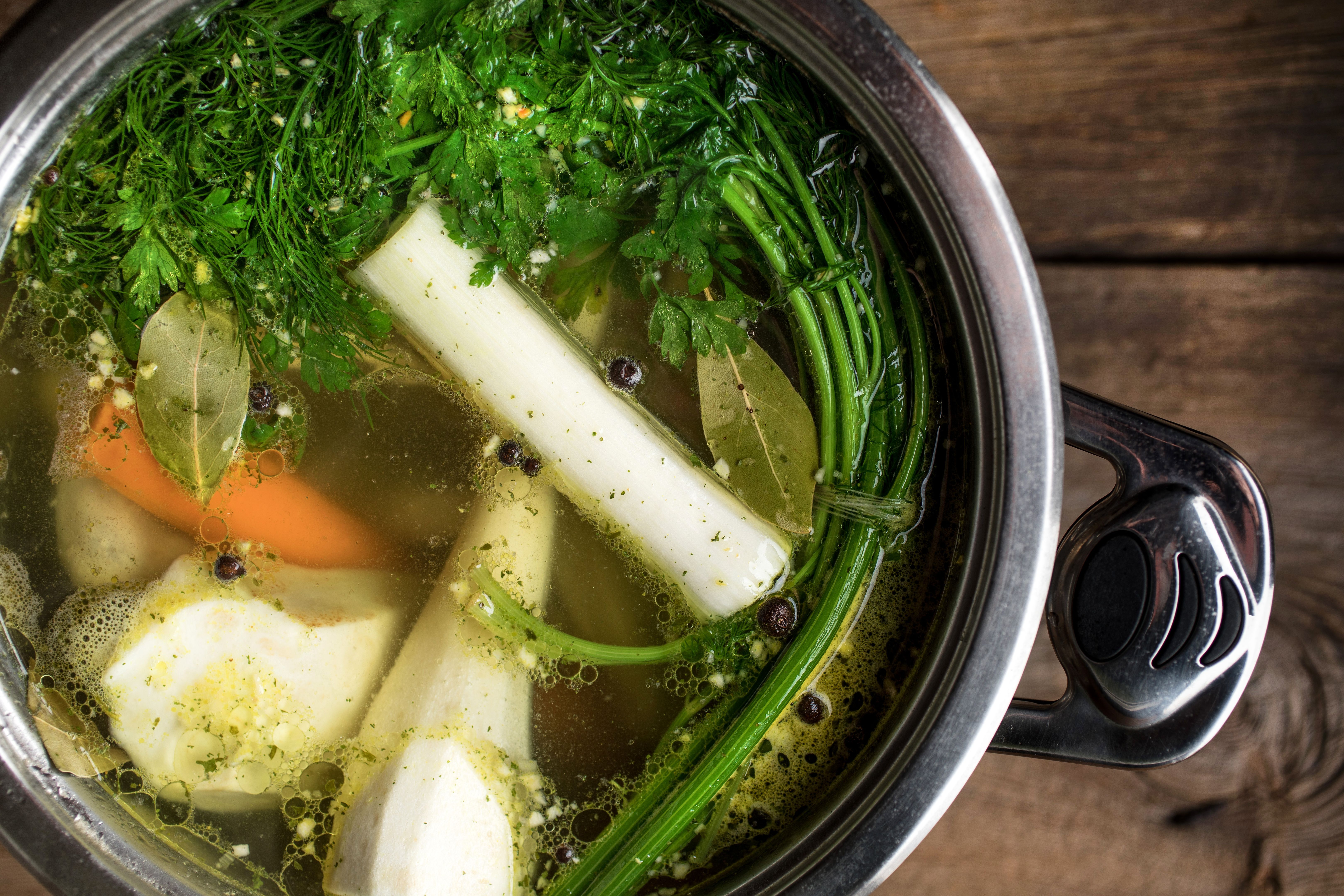
- Poaching: Cooking food in water or broth can enhance flavors without adding oil.
How to Add Flavor Without Oil?
One of the challenges of zero-oil cooking is ensuring that meals remain flavorful. This can be achieved by using herbs, spices, and natural flavor enhancers like lemon juice or vinegar. Marinating foods in a mix of spices and acidic ingredients can also infuse flavors deep into the food.
Is Zero-Oil Cooking Suitable for All Types of Dishes?
While zero-oil cooking is versatile, it may not be suitable for every dish, particularly those that traditionally rely on oil for texture or flavor. However, with some creativity and experimentation, many dishes can be adapted to fit a zero-oil lifestyle.
For instance, stir-fries can be made using vegetable broth instead of oil, and curries can be thickened with pureed vegetables instead of cream.
What Equipment Is Needed for Zero-Oil Cooking?
Having the right equipment can make zero-oil cooking more accessible and enjoyable. Essential tools include a good-quality steamer, non-stick pans, and baking sheets. An air fryer can also be a valuable addition, offering a way to achieve crispy textures without oil.
Experimenting with these techniques and tools can lead to flavorful, healthy meals that satisfy both taste and nutritional needs. Zero-oil cooking not only promotes better health but also encourages creativity in the kitchen.