
Myths About No-Oil Cooking: What You Need to Know


Understanding No-Oil Cooking
No-oil cooking has gained popularity among health enthusiasts and those looking to reduce calorie intake. However, misconceptions abound, making it essential to separate fact from fiction. This cooking method can be both nutritious and delicious, provided you understand its nuances.

Myth 1: No Oil Means No Flavor
One common myth is that eliminating oil from your cooking will strip away all flavor. In reality, there are numerous ways to enhance taste without using oil. Spices, herbs, and natural ingredients like garlic, ginger, and lemon can bring out rich flavors in your dishes.
Try experimenting with different cooking techniques like roasting, steaming, and grilling, which can add depth and texture to your meals without the need for oil.
Myth 2: It's Difficult to Cook Without Oil
Another misconception is that cooking without oil is a challenge. While it might require some adjustment, it is far from difficult. Many recipes can be adapted by using non-stick cookware or parchment paper to prevent sticking.

Using vegetable broth or water as a sautéing base can also be an effective alternative, adding moisture and flavor to your dishes.
Myth 3: No-Oil Cooking Is Not Nutritious
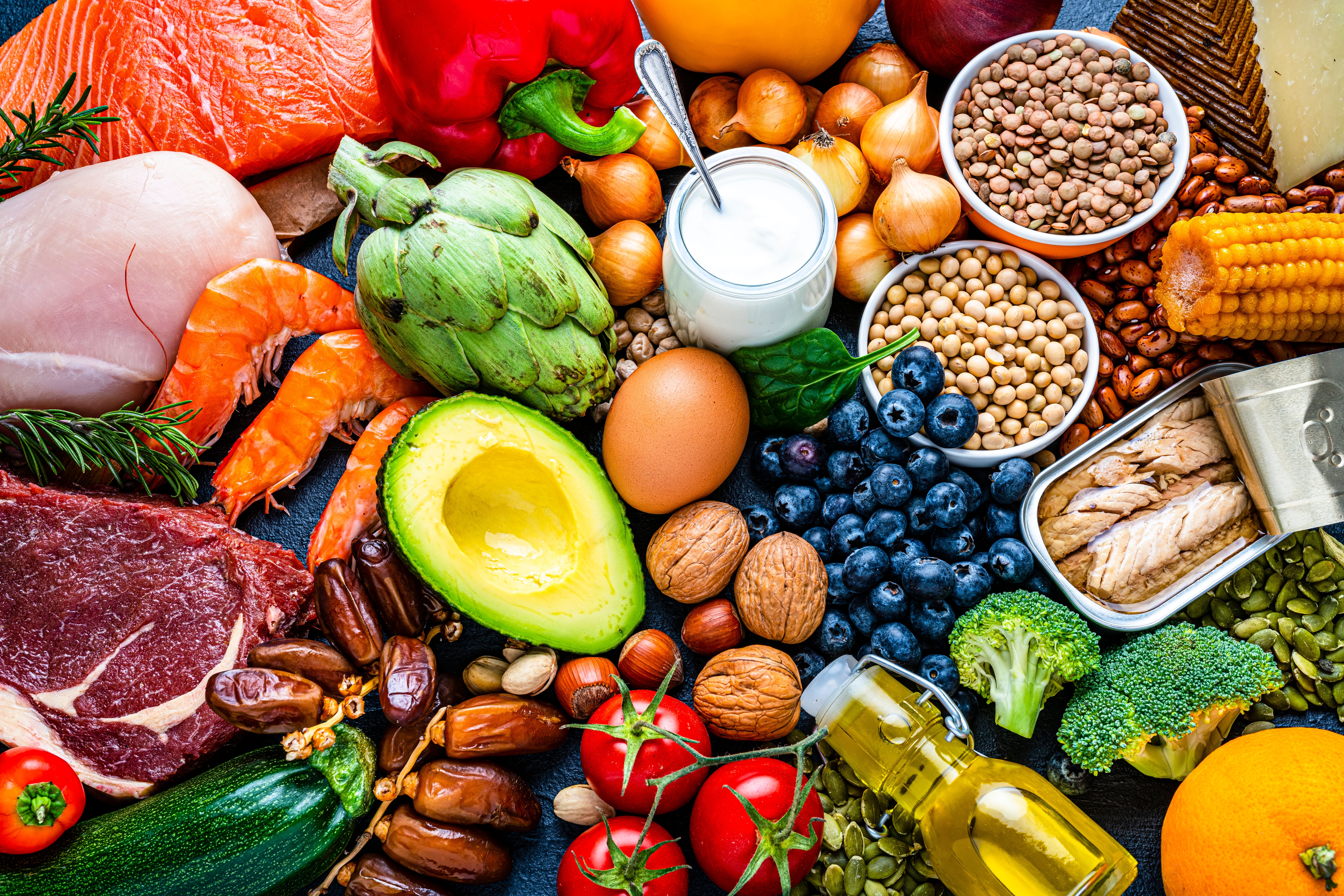
Some believe that without oil, meals lack essential nutrients. However, this isn't necessarily true. Oils can contribute healthy fats, but these can be obtained from other sources like avocados, nuts, and seeds. These alternatives can provide the necessary nutrients without the extra calories.
Incorporating a variety of whole foods in your diet ensures you get a balance of vitamins and minerals, making no-oil cooking a healthy choice.
Myth 4: No-Oil Cooking Is Only for Dieters
While it is true that no-oil cooking can help reduce calorie intake, it isn't exclusively for those trying to lose weight. This method can be beneficial for anyone looking to adopt a healthier lifestyle, improve heart health, or manage cholesterol levels.
Embracing this cooking style can lead to a more mindful approach to food, focusing on whole, nutrient-dense ingredients.
Conclusion
No-oil cooking is surrounded by myths that can deter people from trying it. By understanding the realities and exploring creative techniques, you can enjoy flavorful, nutritious meals without relying on oil. Whether you're aiming for a healthier lifestyle or simply want to try something new, no-oil cooking offers a delicious and viable option.