
Exploring Zero-Oil Cooking: A Beginner's Guide to Healthier Meals


In recent years, there has been a growing interest in healthier cooking methods, and zero-oil cooking is gaining popularity among those looking to improve their diet. This method not only reduces calorie intake but also enhances the natural flavors of ingredients. If you are new to zero-oil cooking, this guide will help you get started on your journey to healthier meals.
Understanding Zero-Oil Cooking
Zero-oil cooking involves preparing meals without the use of any oil or fat. Instead, it relies on techniques such as steaming, boiling, and baking to cook food. This approach helps retain the nutrients in your ingredients while eliminating unnecessary fats. By adopting this method, you can enjoy your favorite dishes with fewer calories and more health benefits.
Benefits of Zero-Oil Cooking
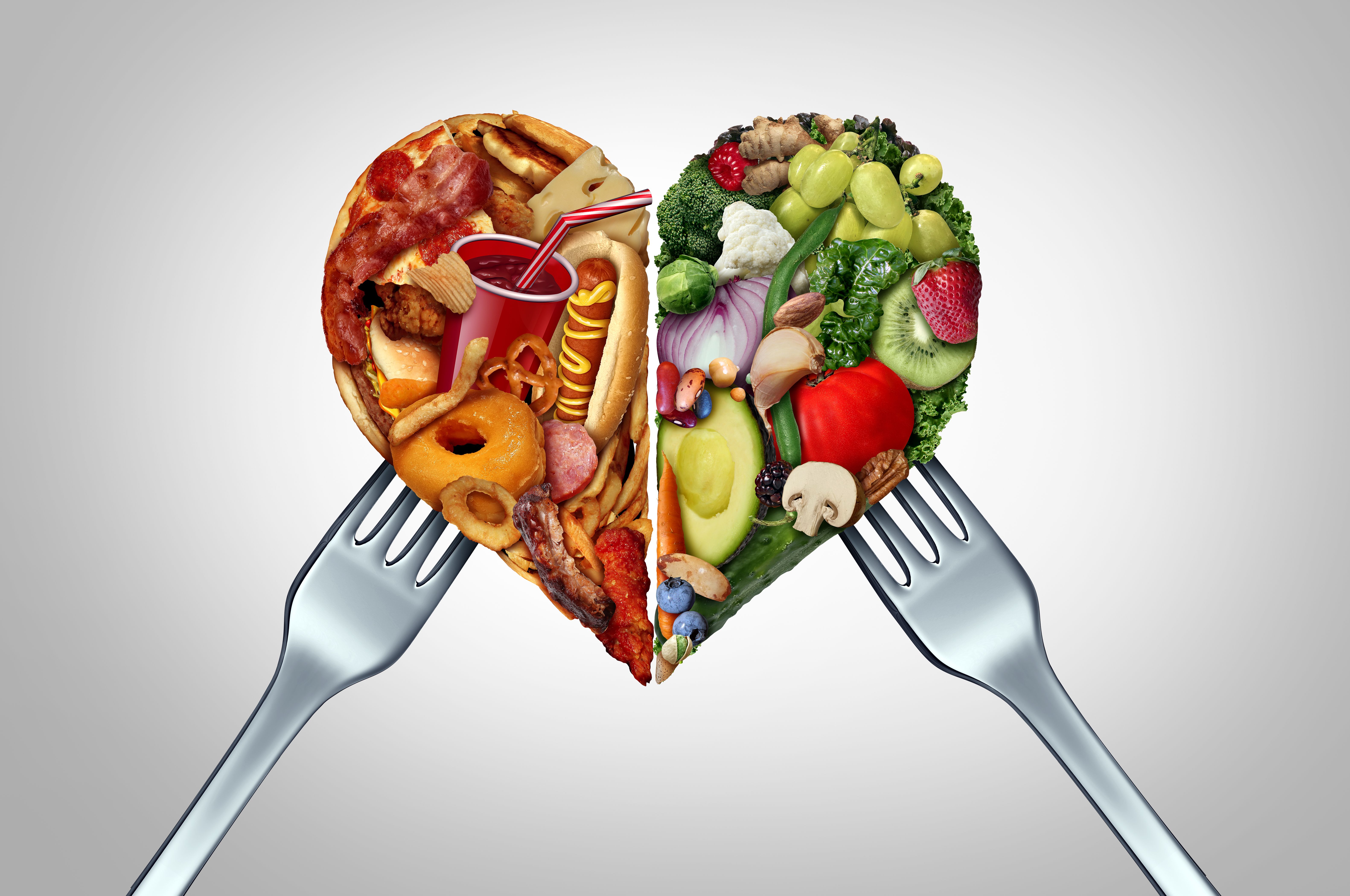
The primary benefit of zero-oil cooking is the reduction of calorie intake, which can aid in weight management. Moreover, it lowers the risk of heart disease by reducing saturated fat consumption. Cooking without oil also encourages the use of fresh ingredients, promoting a diet rich in vitamins and minerals.
Additionally, zero-oil cooking can enhance the taste of your food. By not masking flavors with oil, you allow the natural taste of ingredients to shine, leading to more satisfying and flavorful meals.
Essential Techniques for Zero-Oil Cooking
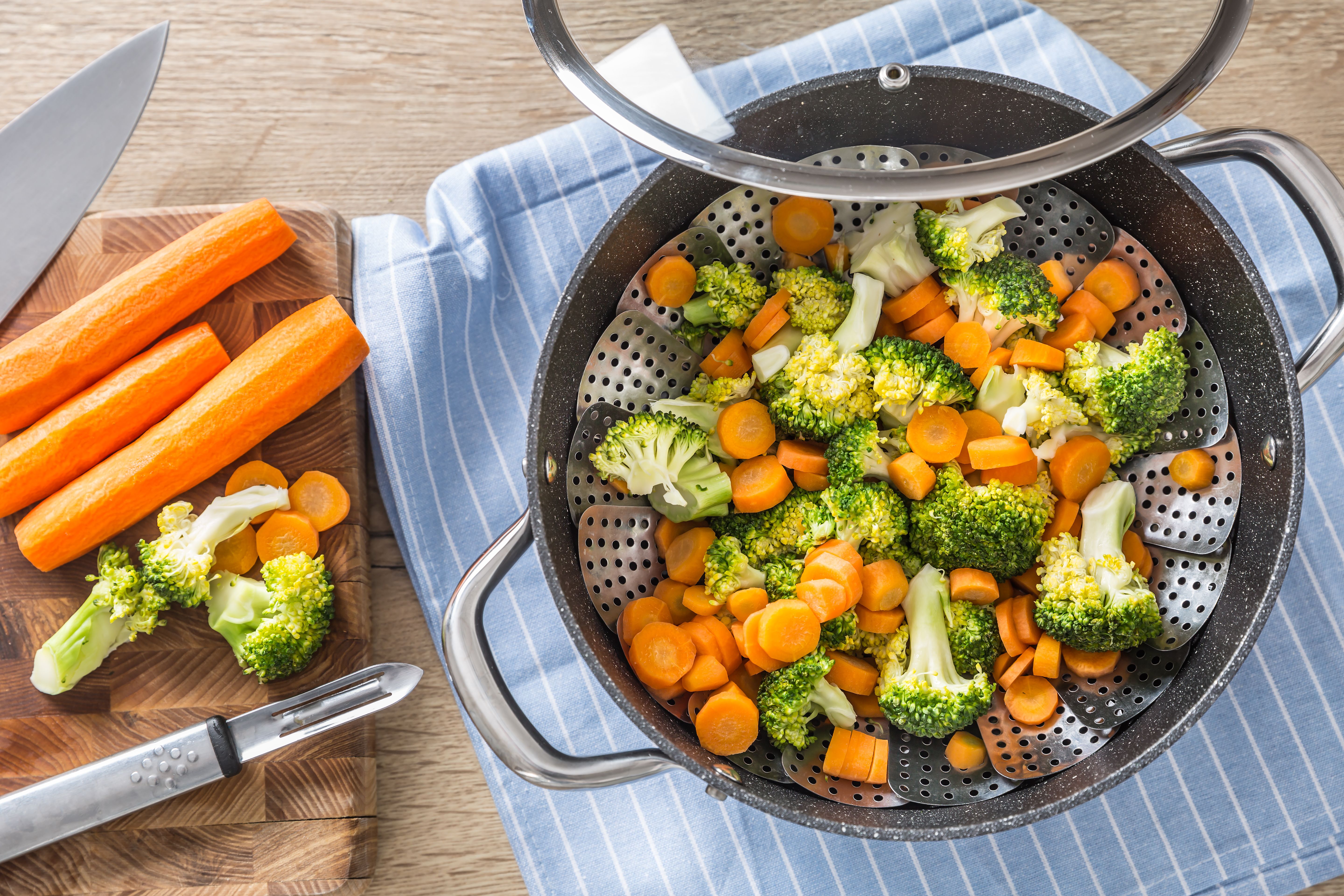
One of the most effective techniques is steaming, which preserves the nutrients and flavors of vegetables, fish, and poultry. Steaming is simple and requires minimal equipment, making it accessible for beginners.
Baking and Roasting
Baking and roasting are excellent alternatives to frying. These methods use dry heat to cook food, resulting in crispy textures without the need for added oil. Use herbs and spices to enhance the taste of baked and roasted dishes, providing depth and complexity to your meals.
Stir-frying with water or broth is another effective technique. It allows you to cook quickly while maintaining the texture and nutritional value of your ingredients. This method is particularly useful for preparing vegetables and lean proteins.
Tools and Ingredients
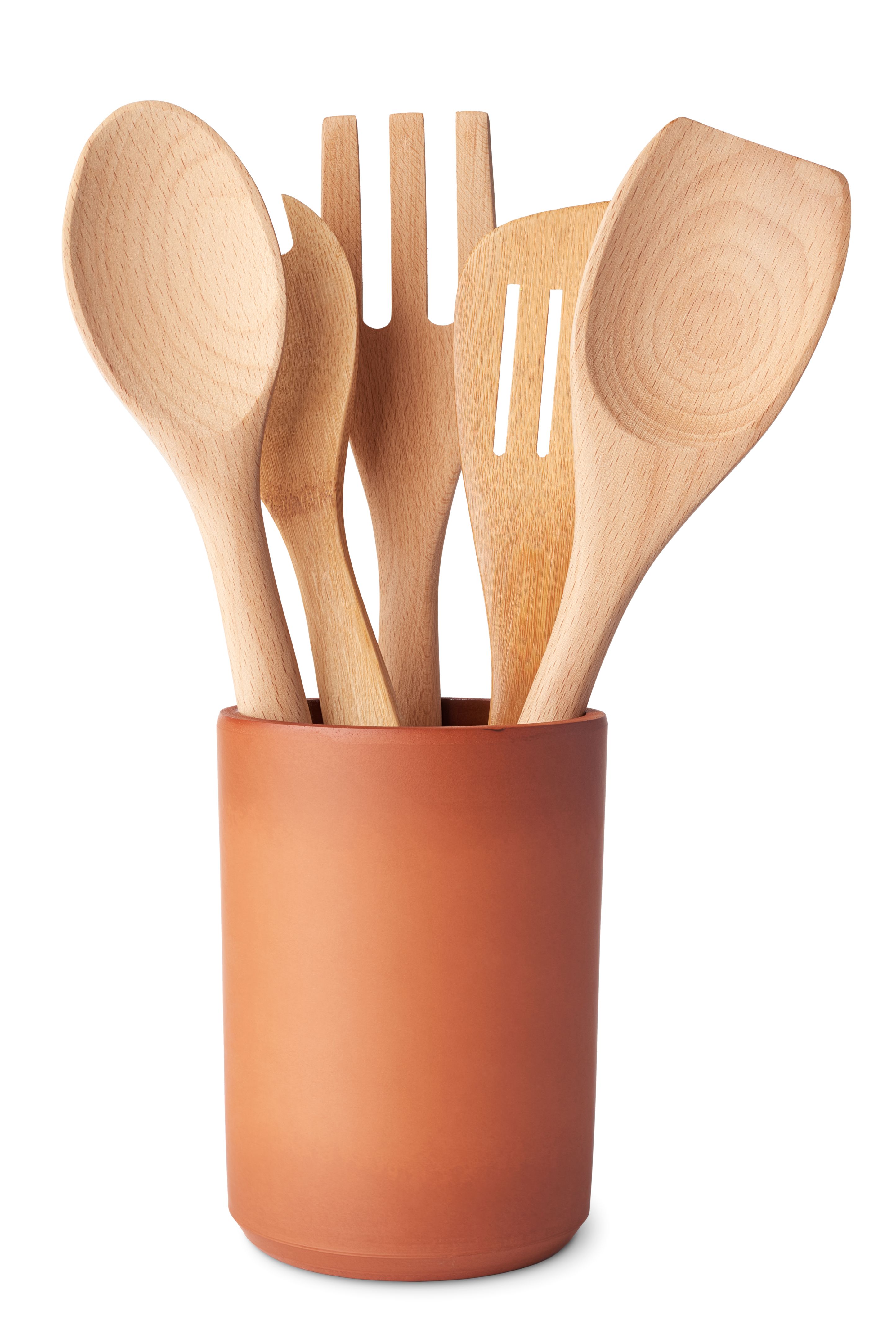
Investing in non-stick cookware is crucial for zero-oil cooking. These pans and pots prevent food from sticking, making it easier to cook without oil. A steamer basket and baking sheets are also valuable additions to your kitchen.
Choosing the Right Ingredients
When cooking without oil, the quality of your ingredients becomes even more important. Opt for fresh, organic produce whenever possible. Lean proteins and whole grains will also enhance your meals' nutritional profile, providing essential nutrients without excess fat.
Experiment with a variety of herbs and spices to add flavor to your dishes. Ingredients like garlic, ginger, and turmeric can bring richness and depth to your meals without the need for oil.
Conclusion
Exploring zero-oil cooking can transform your eating habits, leading to a healthier lifestyle. By incorporating these techniques and tools into your kitchen routine, you can enjoy delicious and nutritious meals without compromising on taste. Embrace the natural flavors of your ingredients and discover the benefits of cooking without oil.