
Exploring the Health Benefits of a Zero-Oil Diet


Adopting a zero-oil diet can be a transformative step towards better health. This dietary choice emphasizes whole, unprocessed foods without added oils, focusing on the natural goodness of ingredients. Let's explore the myriad health benefits that come with this lifestyle.
Understanding the Zero-Oil Diet
The zero-oil diet eliminates all types of added oils, including olive oil, coconut oil, and even those labeled as "healthy." Instead, it relies on cooking techniques like steaming, boiling, and baking, which preserve the nutritional content of foods without the need for added fats.
Heart Health Benefits
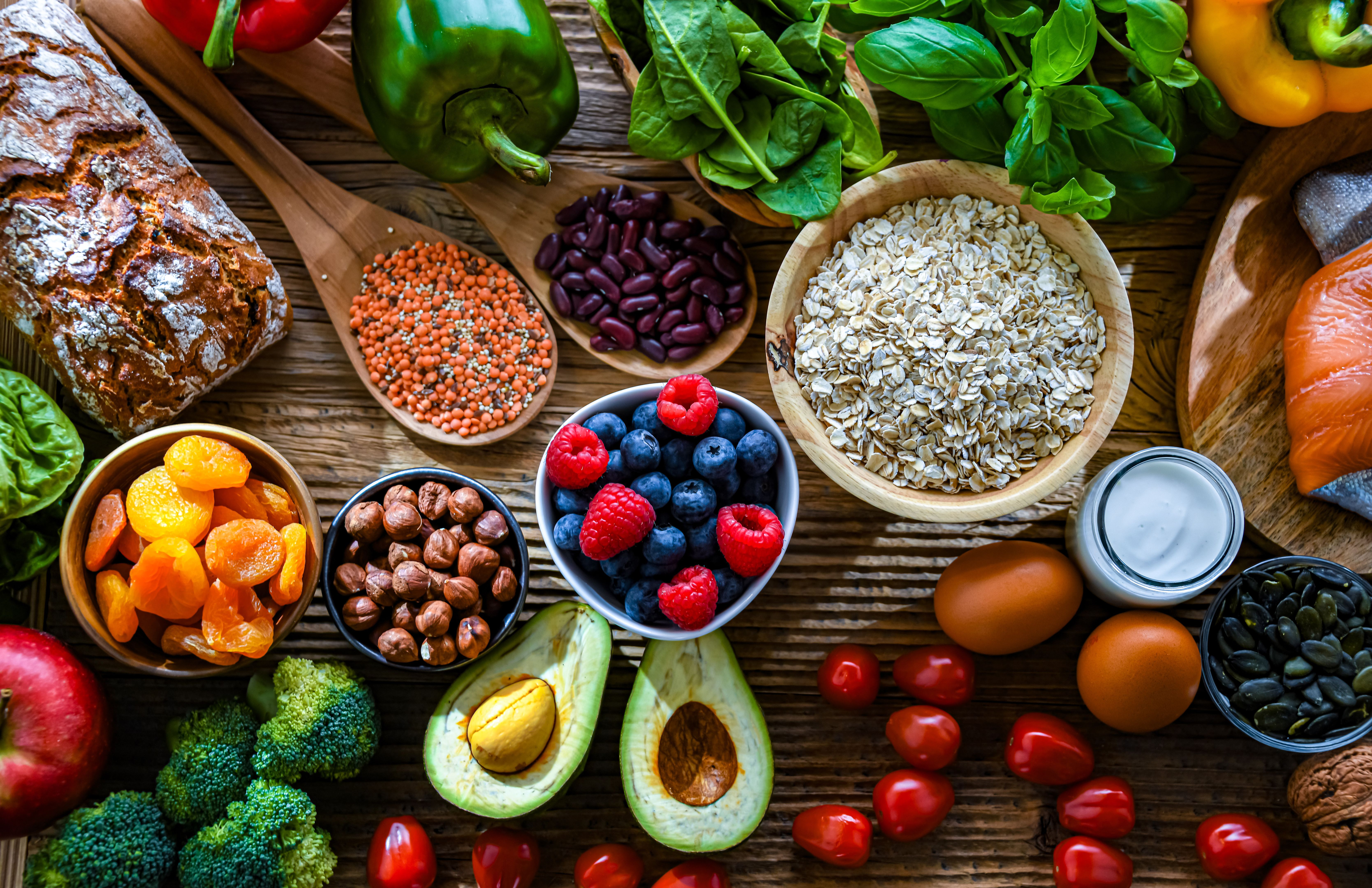
A zero-oil diet can significantly improve heart health. By eliminating oils, you reduce saturated fats and cholesterol, which are major contributors to heart disease. This dietary change may lead to a decrease in blood pressure and cholesterol levels, lowering the risk of heart attacks and strokes.
Studies have shown that plant-based diets, especially those low in added fats, promote better heart health. By consuming more fruits, vegetables, and whole grains, you provide your body with essential nutrients that support cardiovascular well-being.
Weight Management
For those looking to manage their weight, a zero-oil diet can be highly effective. Oils are calorie-dense and can contribute to weight gain if consumed in excess. By avoiding them, you automatically reduce your calorie intake, making it easier to achieve and maintain a healthy weight.

Moreover, whole foods are naturally lower in calories and higher in fiber, which promotes a feeling of fullness and reduces the tendency to overeat. This can lead to sustainable weight loss and improved metabolic health.
Enhanced Digestive Health
Digestive health can also benefit from a zero-oil diet. High-fiber foods like fruits, vegetables, and legumes support gut health by promoting regular bowel movements and preventing constipation. The absence of added oils ensures that the digestive system is not burdened by excessive fats, which can slow down digestion.
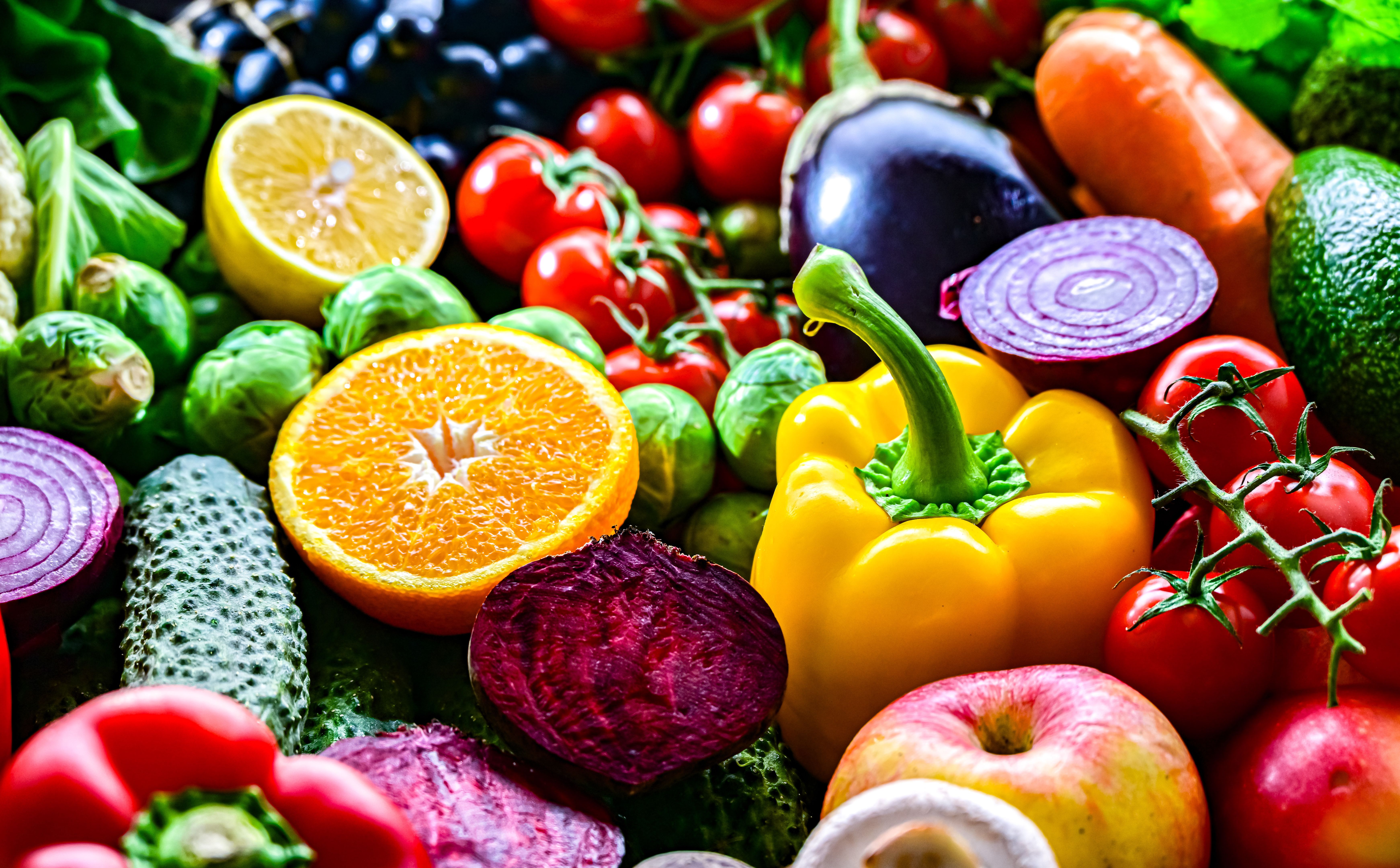
Additionally, a diet rich in plant-based foods introduces beneficial probiotics and prebiotics, which nurture the gut microbiome. A healthy gut is crucial for overall well-being, influencing everything from immunity to mental health.
Improved Skin Health
Many people report clearer and healthier skin after switching to a zero-oil diet. The high intake of antioxidants, vitamins, and minerals from whole foods helps combat skin issues such as acne and dullness. The elimination of oils, which can sometimes clog pores, further supports skin clarity.
By focusing on hydrating foods rich in vitamins A, C, and E, you provide your skin with the nutrients it needs to stay supple and youthful.
Conclusion
Transitioning to a zero-oil diet offers numerous health benefits, from improved heart and digestive health to better skin. By embracing whole, nutrient-dense foods and avoiding added oils, you can enhance your well-being and enjoy a healthier lifestyle. Consider giving this diet a try and experience the positive changes it can bring.