
Debunking Myths About Oil-Free Cooking: A Healthier Approach


Oil-free cooking has gained attention as a healthier way to prepare meals, but there are several myths surrounding this approach. In this guide, we’ll debunk some common misconceptions and provide insights into how oil-free cooking can benefit your health.
Myth 1: Oil-Free Cooking Lacks Flavor
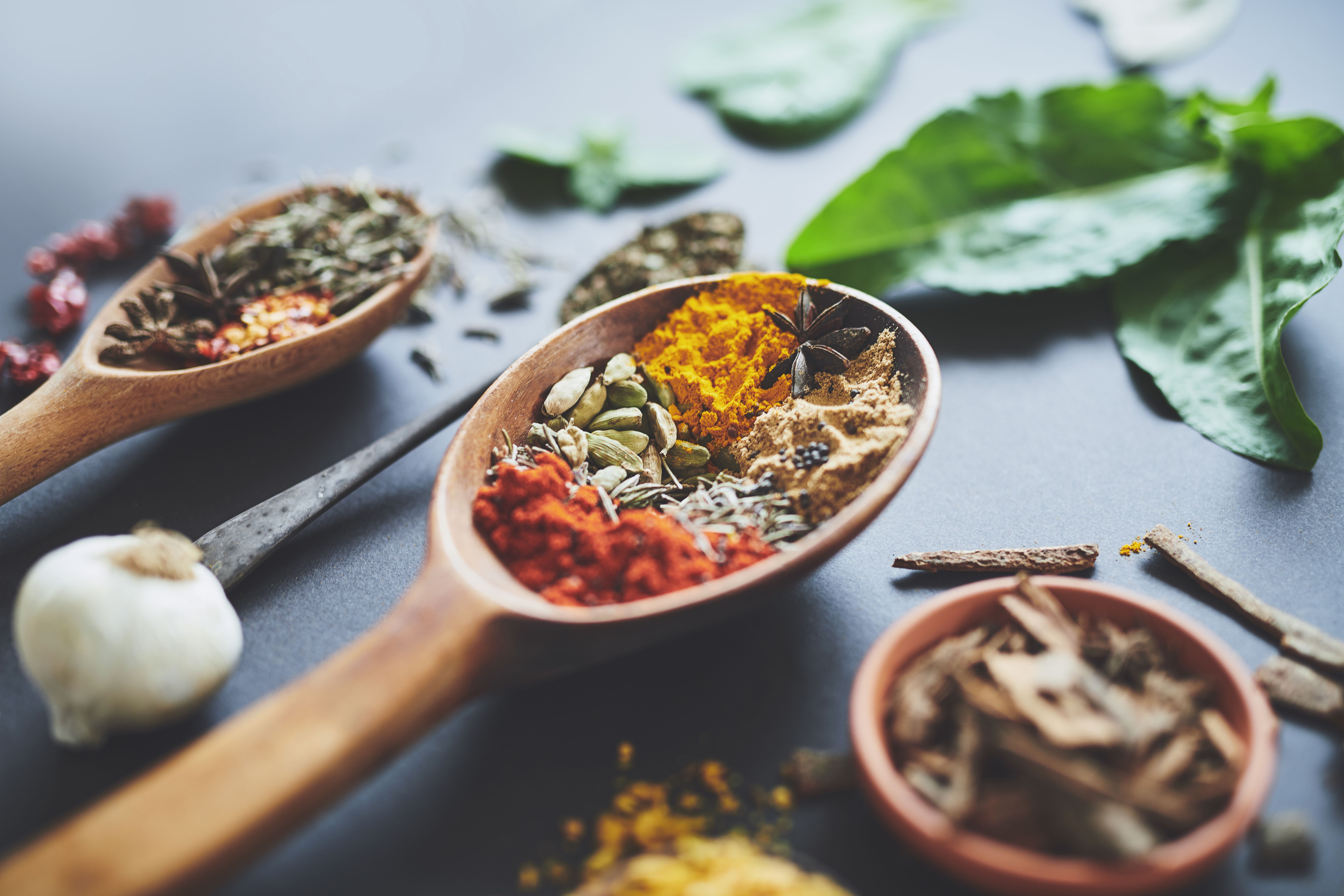
One of the most persistent myths is that oil-free dishes are bland and tasteless. However, this couldn't be further from the truth. By using herbs, spices, and other seasonings, you can enhance the natural flavors of your ingredients without the need for oil. Experimenting with different combinations can lead to delicious and satisfying meals.
Consider using citrus juices, vinegars, and low-sodium broths to add depth to your dishes. These ingredients can mimic the richness of oil, providing a flavorful punch without the added calories.
Myth 2: Oil Is Essential for Cooking
Many people believe that oil is necessary to cook certain foods, especially when it comes to frying or sautéing. While oil does help in creating crispy textures, there are alternatives that can achieve similar results. Non-stick cookware, air fryers, and baking can be used to prepare crispy and delicious foods without any oil.
For sautéing, try using a small amount of water or vegetable broth. These liquids can prevent sticking and help cook your vegetables evenly, preserving their nutrients and natural flavors.
Myth 3: Oil-Free Cooking Is Time-Consuming
Another misconception is that oil-free cooking requires more time and effort. In reality, it can be quite simple and efficient. Many oil-free recipes are designed to be quick and easy, requiring minimal preparation and cleanup.
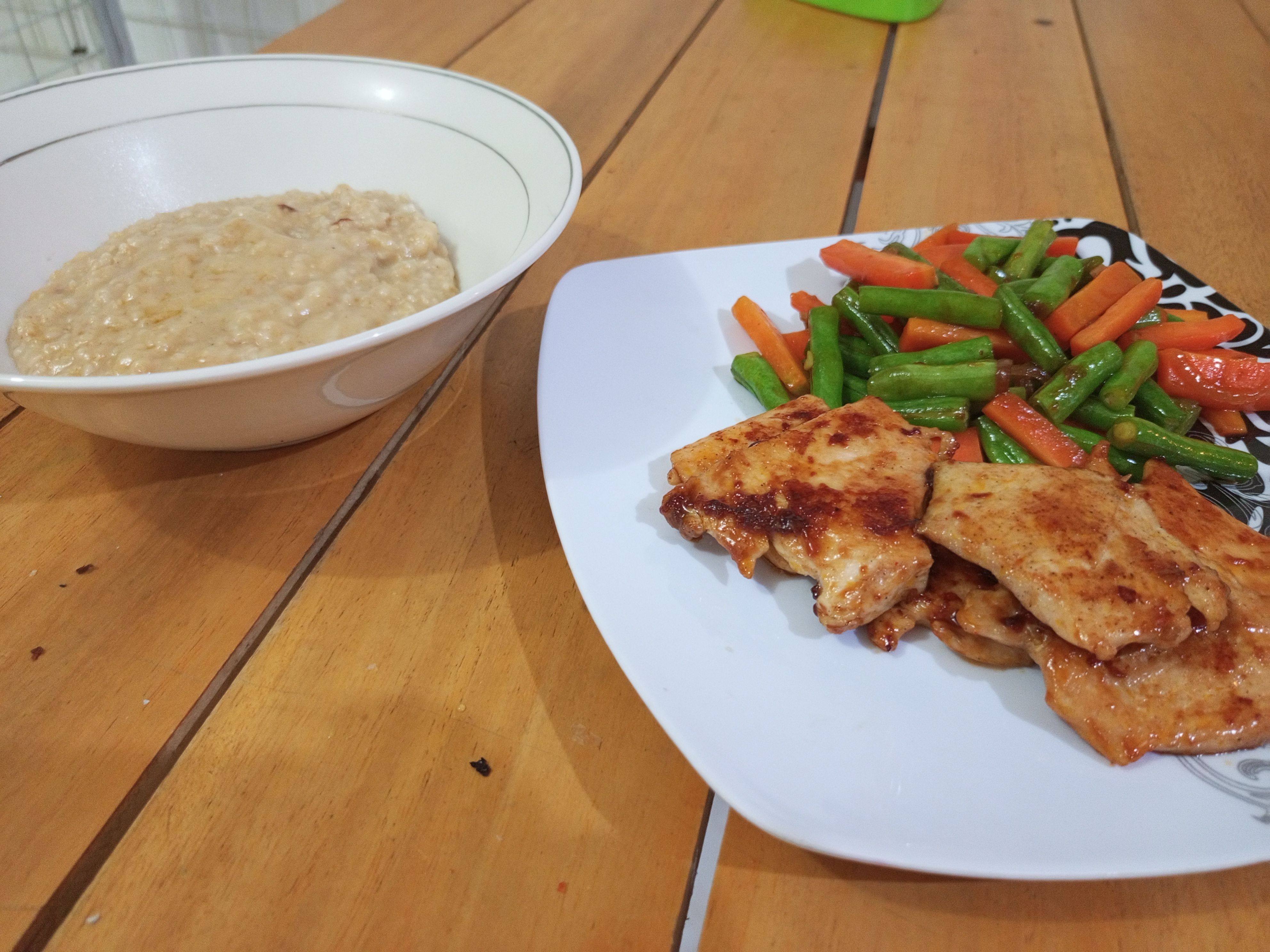
Using methods like steaming, roasting, and pressure cooking can significantly cut down on cooking time. These techniques not only preserve the nutritional value of your food but also make the cooking process more convenient.
Myth 4: You Can't Get Enough Healthy Fats Without Oil
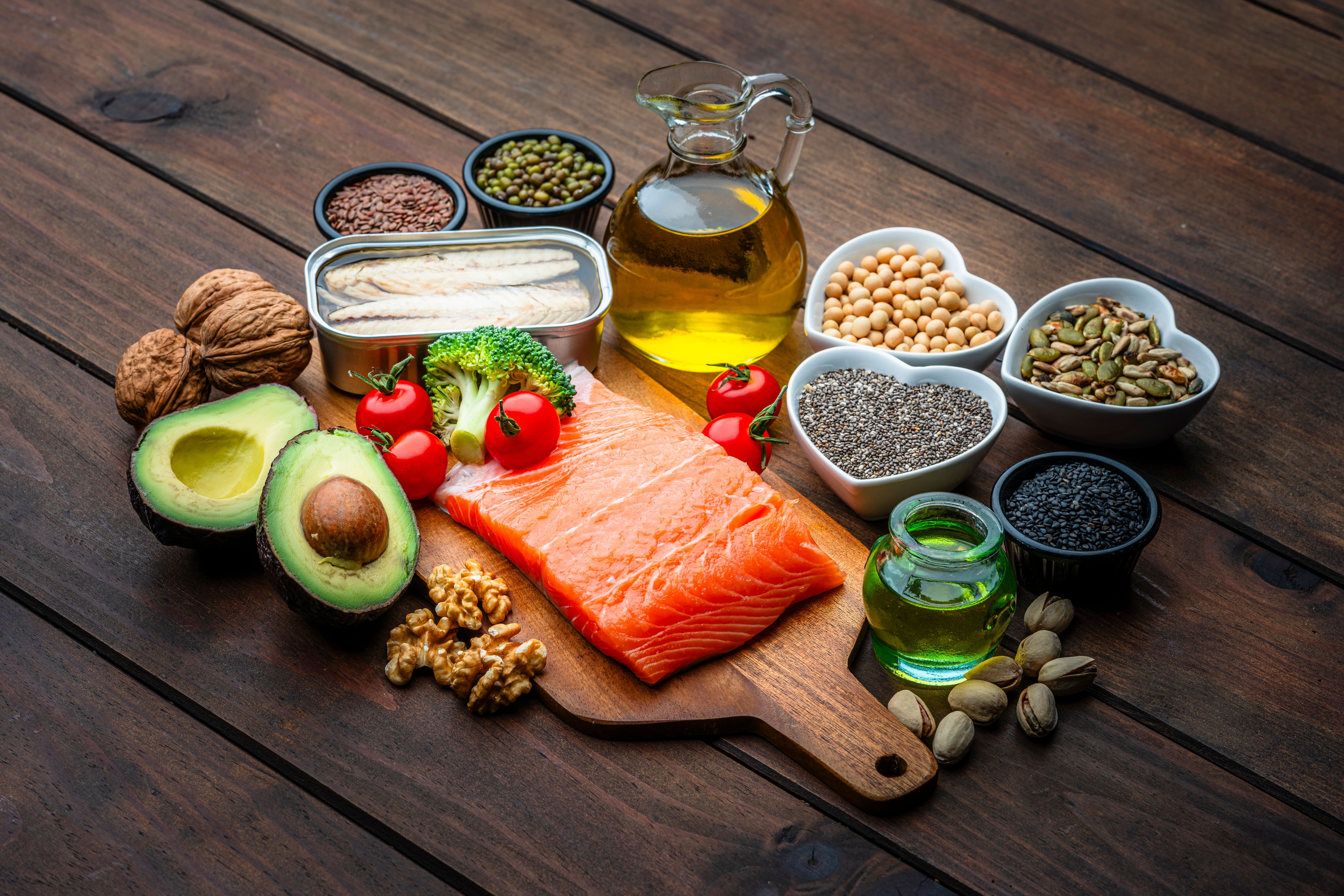
Oil-free cooking doesn't mean you have to eliminate healthy fats from your diet. Foods like avocados, nuts, seeds, and olives provide essential fatty acids that are crucial for a balanced diet. These sources are nutrient-dense and can be included in various dishes to meet your dietary needs.
Incorporating these whole foods ensures that you receive the benefits of healthy fats without the need for extracted oils, offering a more natural and wholesome approach to nutrition.
Benefits of Oil-Free Cooking
Embracing oil-free cooking can lead to numerous health benefits. It can help reduce calorie intake, promote heart health, and support weight management. By focusing on whole, unprocessed foods, you can enjoy meals that are both nourishing and delicious.
Additionally, oil-free cooking encourages a greater emphasis on plant-based ingredients, which are rich in vitamins, minerals, and antioxidants. This approach can lead to improved overall health and well-being.
Conclusion
Debunking these myths reveals that oil-free cooking is a viable and beneficial option for anyone looking to improve their diet. By understanding the alternatives and embracing new techniques, you can enjoy flavorful, healthy meals that support your lifestyle and health goals.