
Comparing Zero Oil Restaurant with Traditional Indian Dining Experiences


Introduction to Zero Oil Restaurants
In recent years, the culinary landscape has experienced a shift towards healthier dining options. Among these innovations is the emergence of zero oil restaurants, which promise flavorful dishes without the use of oil. This concept caters to health-conscious individuals seeking to enjoy their favorite meals without compromising on taste or wellness.
Zero oil cooking techniques involve using methods such as steaming, grilling, and baking to prepare dishes that are traditionally fried or sautéed. This approach not only reduces calorie intake but also enhances the natural flavors of the ingredients.
Understanding Traditional Indian Dining
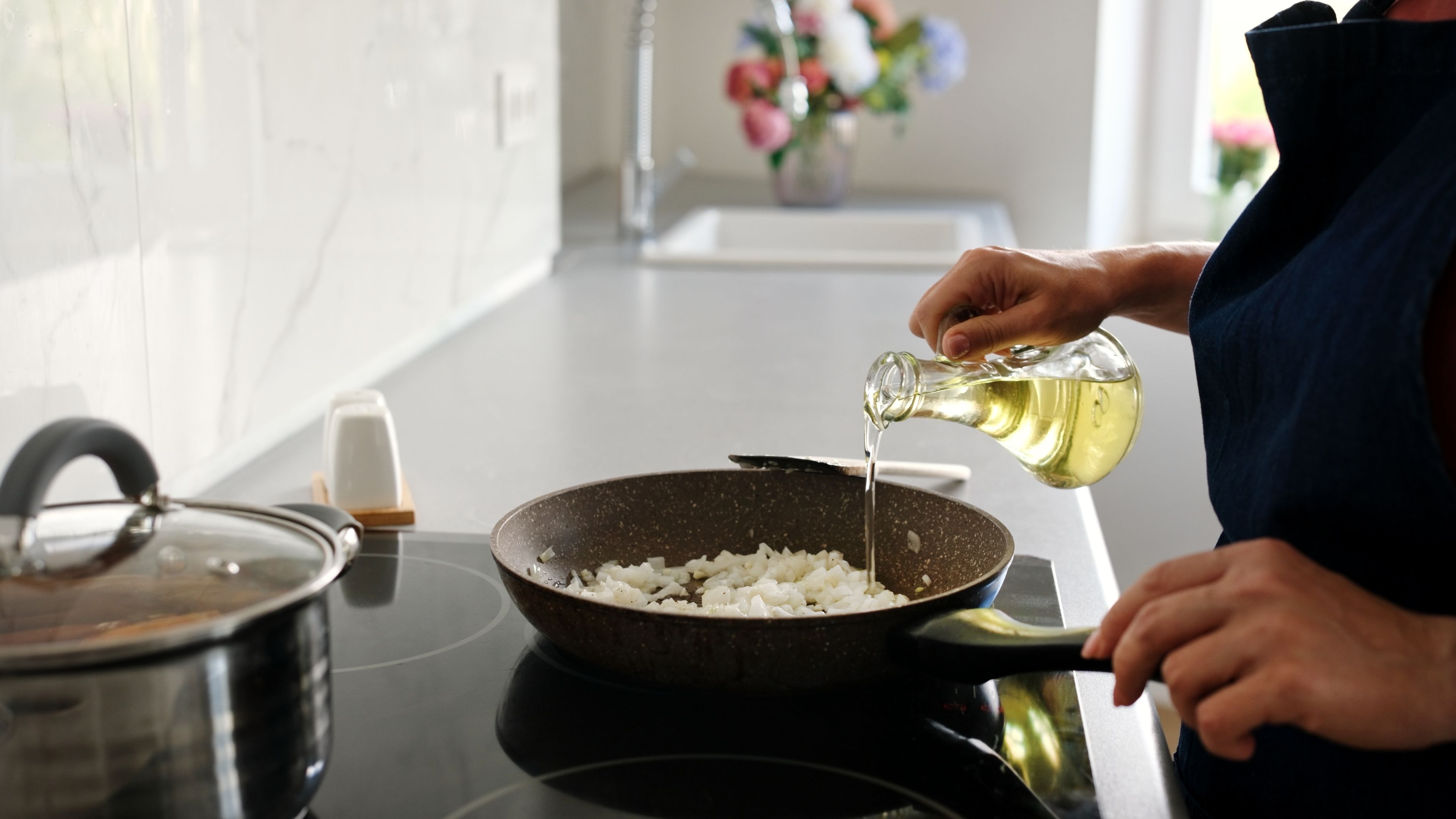
Traditional Indian dining is renowned for its rich flavors and diverse culinary practices. Characterized by the use of spices, herbs, and a variety of cooking techniques, Indian cuisine offers a sensory experience that is both unique and satisfying. A typical Indian meal might include a combination of curries, breads, rice, and sweets, often prepared with generous amounts of oil or ghee.
While the flavors are unparalleled, traditional Indian cooking methods can often lead to high calorie and fat content. This has led some diners to seek healthier alternatives without sacrificing their favorite dishes.
Comparing Culinary Techniques
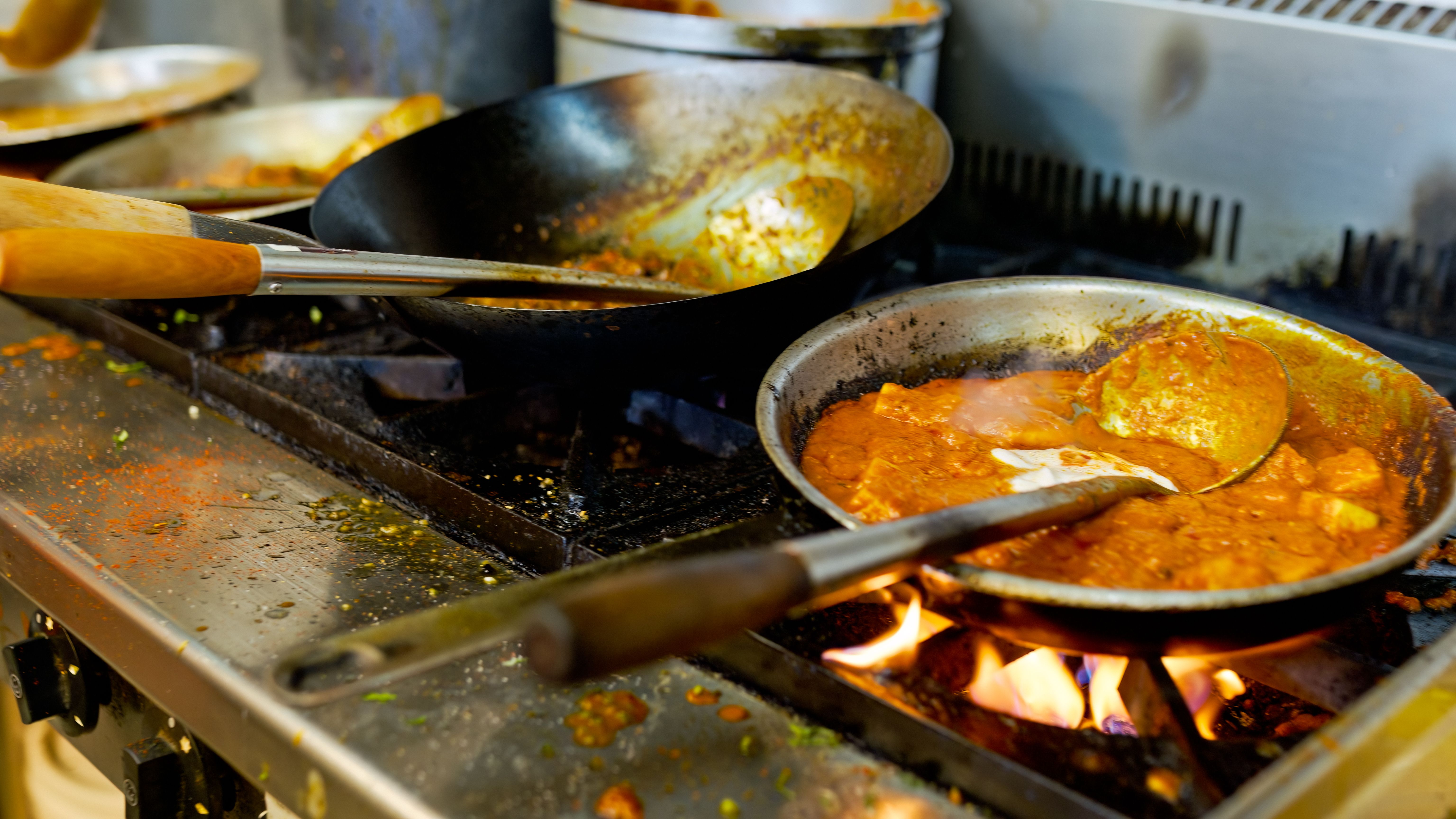
Zero oil restaurants utilize innovative cooking methods to replicate the taste and texture of traditional dishes. Techniques such as baking samosas instead of frying or grilling marinated vegetables instead of sautéing are common. These methods preserve the essence of Indian cuisine while significantly reducing fat content.
In contrast, traditional Indian cooking relies heavily on frying and the use of aromatic oils to enhance flavor. While these methods are deeply rooted in cultural practices, the health implications have prompted a shift towards more health-conscious options.

Taste and Flavor Profiles
One might wonder if zero oil cooking compromises the rich flavors that Indian cuisine is famous for. Surprisingly, many diners find that the use of fresh spices and herbs in zero oil cooking can actually intensify the flavors, allowing the natural taste of ingredients to shine.
However, purists may argue that certain dishes lose their authenticity without the traditional use of oil. It's a matter of personal preference, and diners are encouraged to explore both options to find their preferred taste.
Health Benefits
The primary advantage of zero oil dining lies in its health benefits. By eliminating oil, these restaurants offer meals that are lower in calories and unhealthy fats, making them suitable for those managing cholesterol or weight.
Traditional Indian meals, while delicious, can sometimes contribute to dietary concerns due to their oil content. Adopting zero oil alternatives can provide a balance between enjoying traditional flavors and maintaining a healthy diet.
The Dining Experience
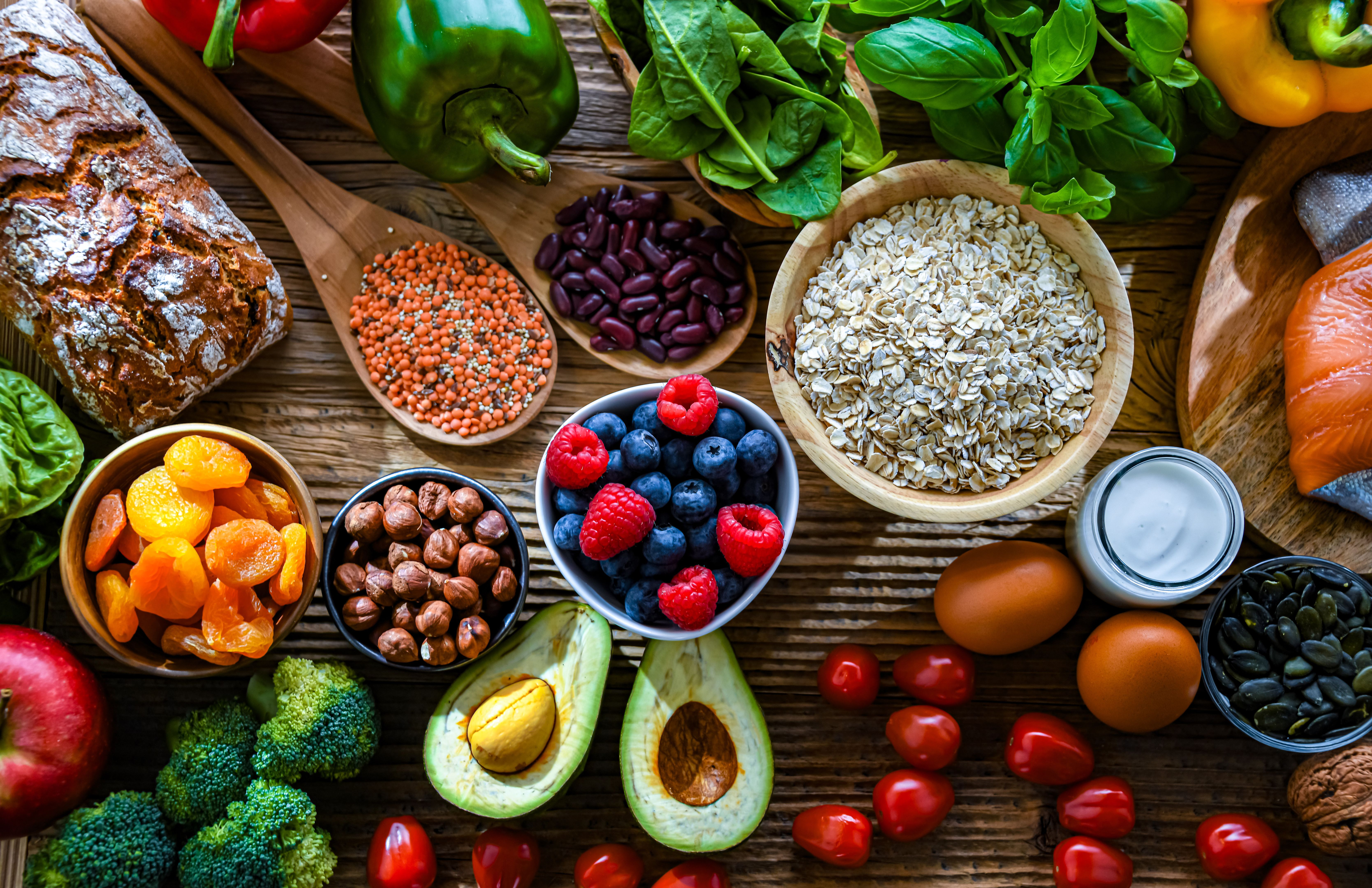
The ambiance in zero oil restaurants often reflects their health-focused ethos, with clean, modern decor and an emphasis on fresh, locally-sourced ingredients. Diners can expect a relaxed atmosphere conducive to mindful eating.
Traditional Indian restaurants, on the other hand, offer a more vibrant and lively atmosphere, often adorned with cultural decorations and music. The experience is as much about the environment as it is about the food.
Conclusion
Both zero oil and traditional Indian dining experiences offer unique benefits and cater to different preferences. Zero oil restaurants provide a healthier alternative without sacrificing flavor, appealing to the modern health-conscious diner. Meanwhile, traditional Indian dining offers an authentic taste of culture and tradition, perfect for those seeking a rich and indulgent meal.
Ultimately, the choice between the two depends on individual dietary preferences and health goals. Both options contribute to the diverse and ever-evolving world of Indian cuisine.