
Comparing Zero Oil and Traditional Cooking Methods: What’s Healthier?


Understanding Zero Oil Cooking
Zero oil cooking is a technique that involves preparing meals without using any added fats or oils. This method focuses on utilizing the natural fats found in ingredients, such as nuts and seeds, to provide the necessary texture and flavor. By eliminating added oils, zero oil cooking aims to reduce calorie intake and promote heart health.
Many people opt for zero oil cooking to manage their weight and improve their overall health. This approach often involves steaming, boiling, grilling, or baking foods instead of frying them. The result is a lighter meal that retains the essential nutrients without the added calories from oil.
The Benefits of Traditional Cooking Methods
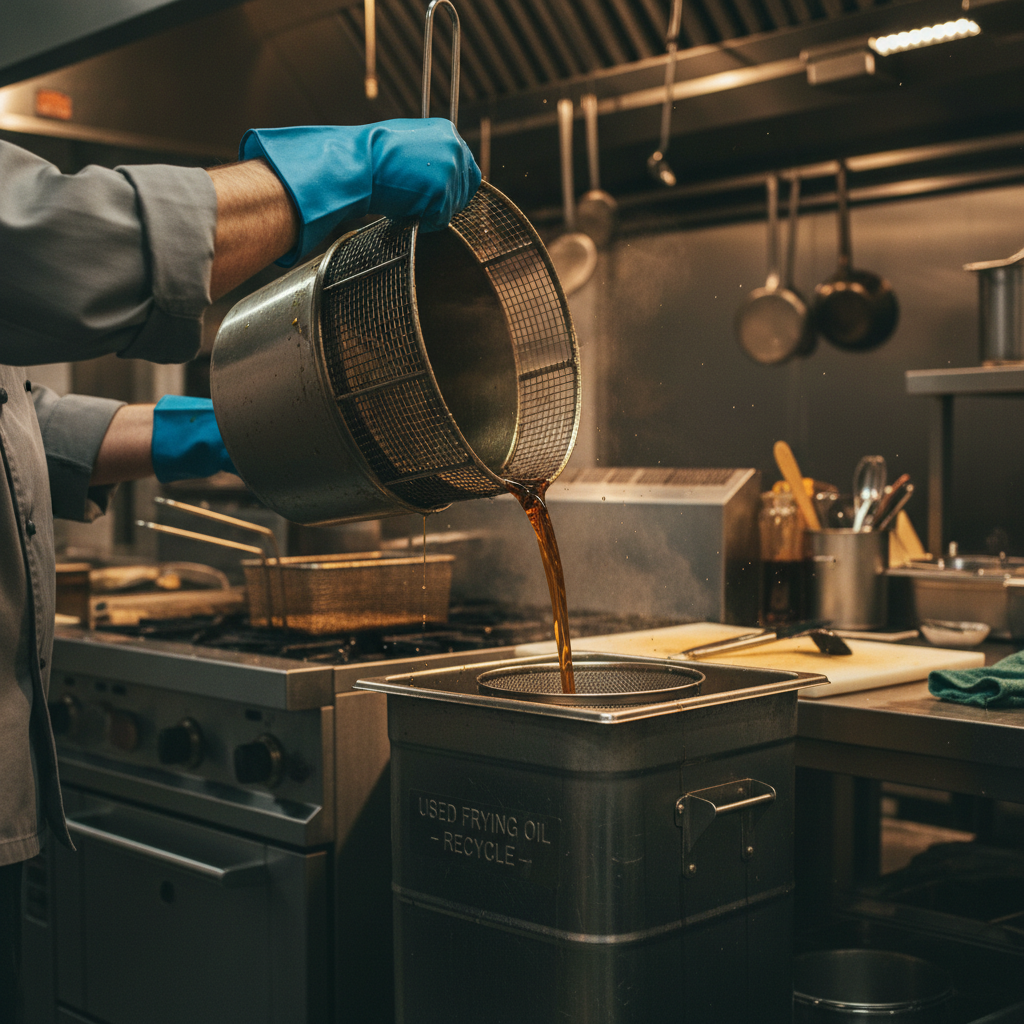
Traditional cooking methods, which typically include frying, sautéing, and roasting with oil, have been used for centuries and offer their own set of advantages. Oils like olive, coconut, and avocado are rich in healthy fats and can enhance the flavor and texture of dishes. These methods can also help in the absorption of fat-soluble vitamins such as A, D, E, and K.
Cooking with oil can add depth to the taste of your food, making it more appealing and satisfying. While moderation is key, incorporating healthy oils in your diet can contribute to a balanced nutritional intake.

Comparing Nutritional Values
When comparing zero oil and traditional cooking methods, it's essential to consider the nutritional differences. Zero oil cooking can significantly reduce calorie intake, which is beneficial for weight management. However, some oils provide essential fatty acids that the body needs for optimal functioning.
For those who are looking to lower their cholesterol or reduce their risk of heart disease, zero oil cooking may offer an advantage. However, including small amounts of healthy oils can provide important nutrients that support brain health and reduce inflammation.
Flavor and Texture Considerations
One of the challenges of zero oil cooking is achieving the desired flavor and texture. Traditional cooking methods often rely on oil to create a crispy, golden finish or to deepen flavors. Alternatives like using herbs, spices, and citrus can enhance taste in zero oil recipes.
For those accustomed to the taste and mouthfeel of oil-rich dishes, transitioning to zero oil meals may require some adjustment. Experimenting with different cooking techniques and flavor combinations can help bridge the gap.
Environmental Impact
Another aspect to consider is the environmental impact of each cooking method. Zero oil cooking generally uses fewer resources, as it often involves simpler preparation and less energy consumption. This can contribute to a smaller carbon footprint.
On the other hand, the production and consumption of oils can have significant environmental consequences, including deforestation and habitat loss. Choosing sustainably sourced oils can mitigate some of these effects.
Final Thoughts: Which Is Healthier?
Determining whether zero oil or traditional cooking methods are healthier ultimately depends on individual health goals and dietary preferences. Zero oil cooking may be beneficial for those looking to reduce calorie intake and improve heart health. Meanwhile, traditional methods can provide essential nutrients and enhance flavors when practiced in moderation.
Incorporating a mix of both methods can offer a balanced approach, allowing you to enjoy diverse flavors and textures while maintaining a healthy diet. Ultimately, the best choice is one that aligns with your lifestyle and nutritional needs.