
Comparing Healthy Pakistani and Middle Eastern Cuisines in the UK


Exploring the Richness of Pakistani and Middle Eastern Cuisines
In the vibrant multicultural landscape of the UK, both Pakistani and Middle Eastern cuisines have carved out a significant presence. Known for their rich flavors and aromatic spices, these cuisines not only tantalize the taste buds but also offer a variety of healthy options. This post delves into the nuances of both culinary traditions, highlighting their unique features and health benefits.
Key Ingredients and Health Benefits
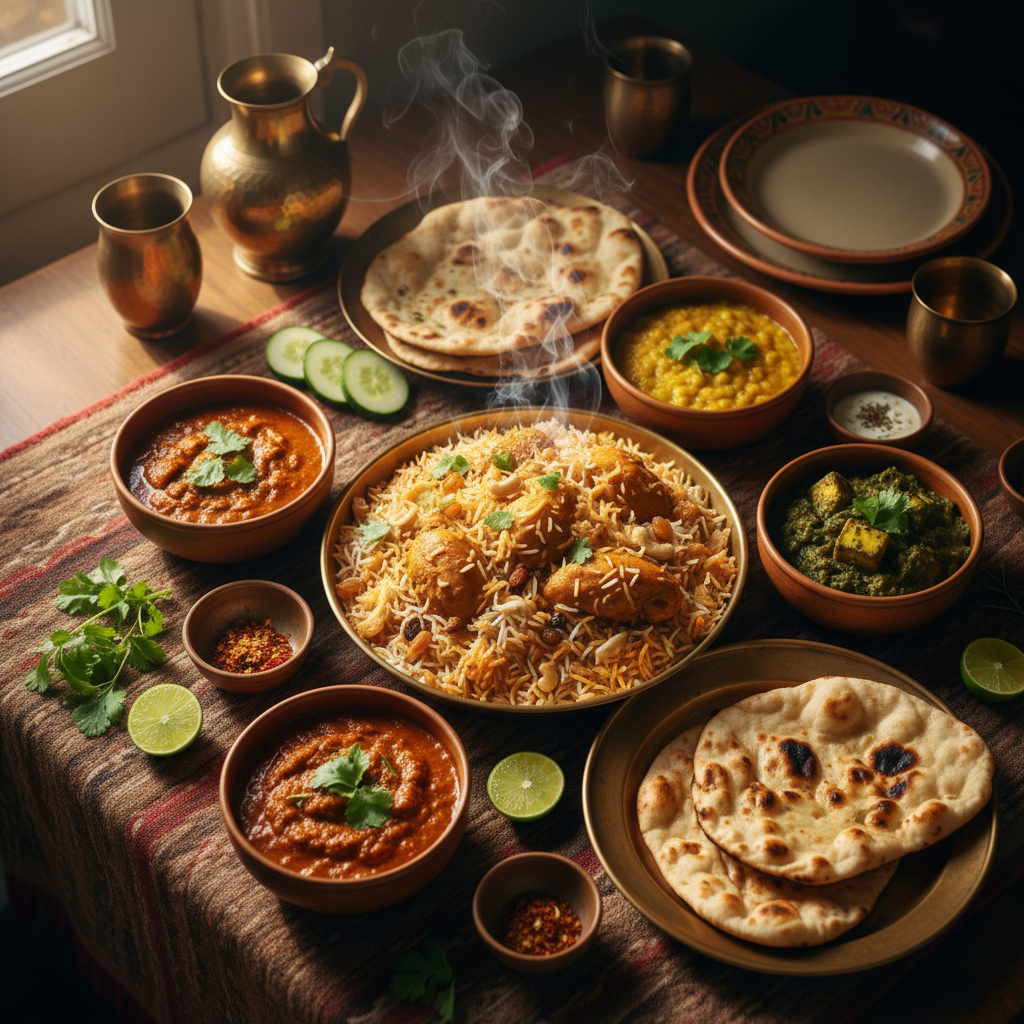
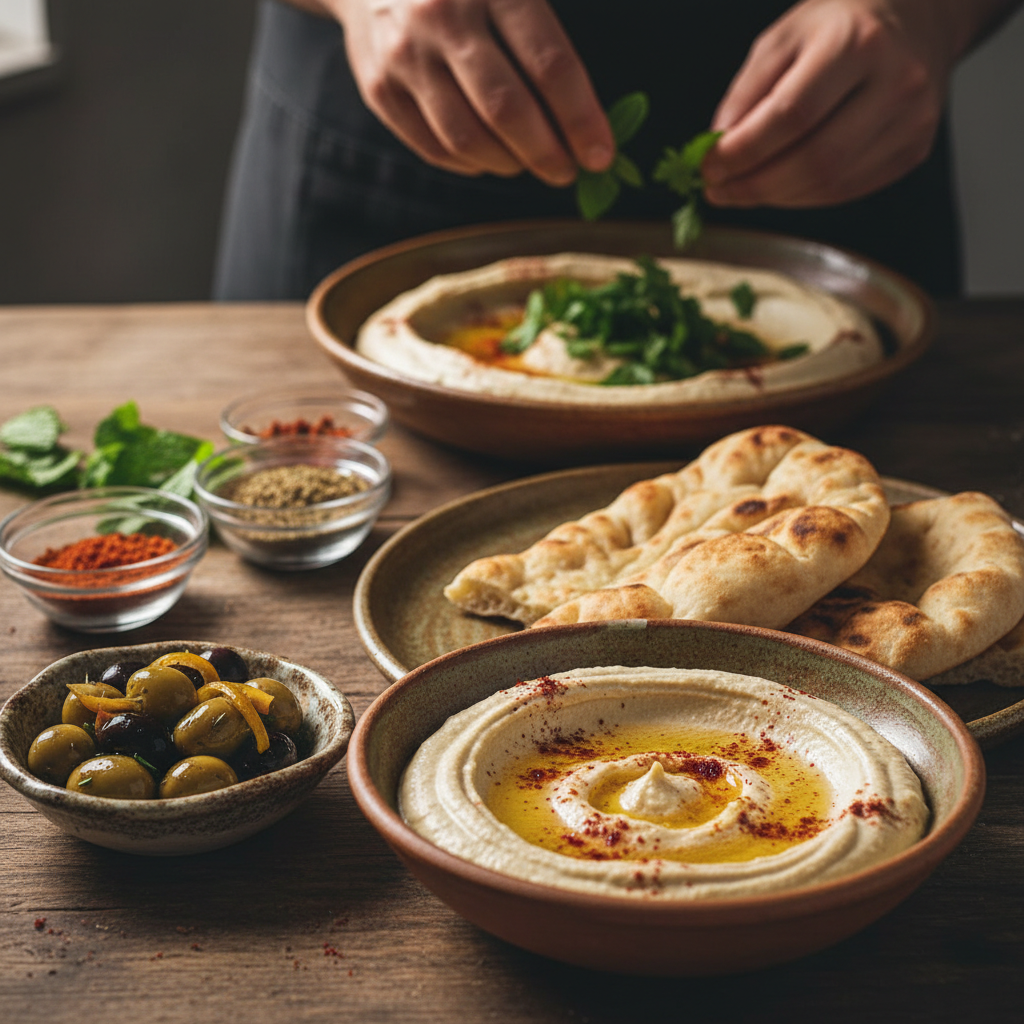
Pakistani cuisine is renowned for its use of spices such as cumin, turmeric, and coriander, which not only add flavor but also offer health benefits like anti-inflammatory properties. Similarly, Middle Eastern dishes often feature ingredients like chickpeas, olives, and tahini, which are rich in healthy fats and proteins.
Both cuisines emphasize the use of fresh vegetables and lean meats. Lentils and beans are staples in Pakistani dishes, providing a plant-based protein source that is both filling and nutritious. Middle Eastern cuisine, on the other hand, often incorporates grains like bulgur and quinoa, which are excellent sources of fiber.
Popular Dishes and Their Nutritional Profiles
When it comes to popular dishes, Pakistani cuisine boasts options like grilled kebabs and biryani, which can be made healthier by opting for brown rice and lean cuts of meat. Middle Eastern favorites such as hummus and tabbouleh are naturally healthy, with hummus being a great source of plant-based protein and tabbouleh offering a refreshing way to consume vegetables.
- Kebabs: Opt for grilled versions to reduce calorie intake.
- Hummus: High in fiber and low in calories, making it a great snack.
Healthy Cooking Techniques
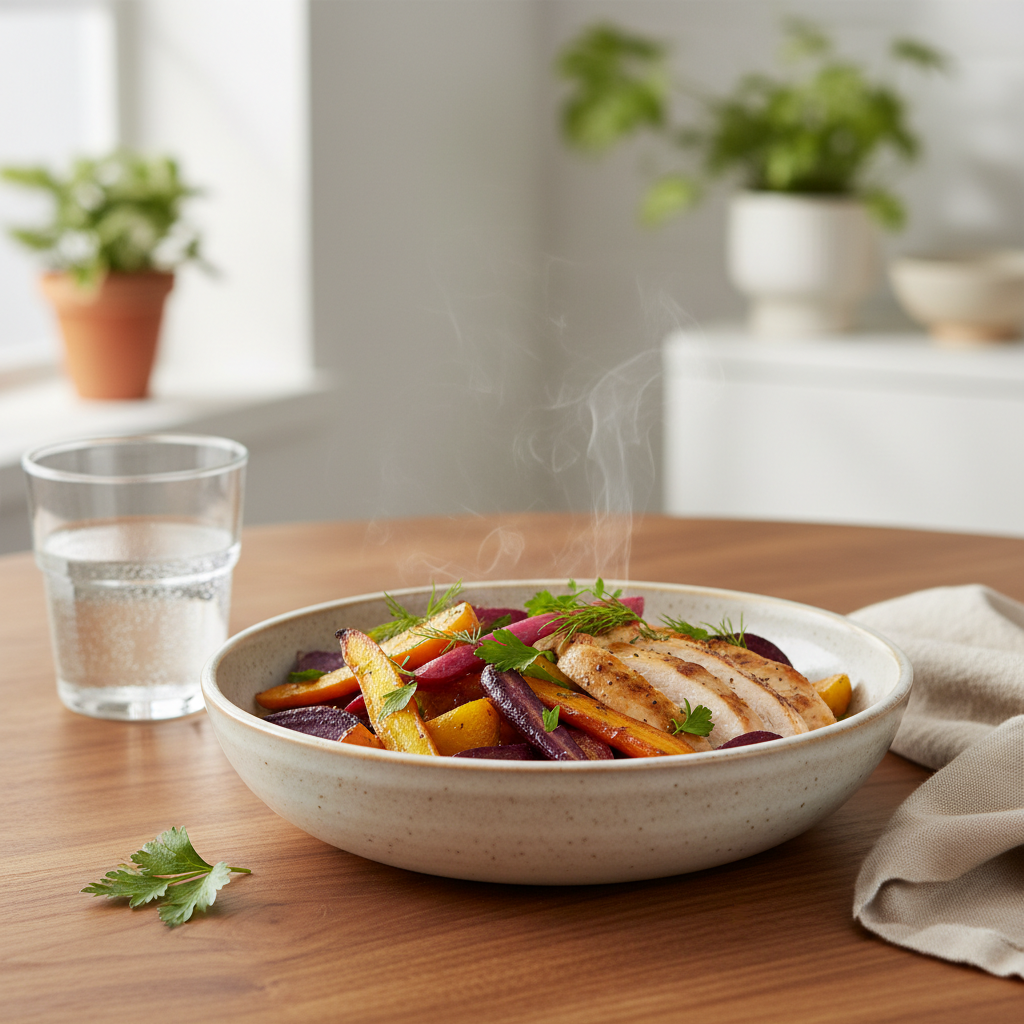
Cooking techniques play a crucial role in the nutritional value of a dish. In both Pakistani and Middle Eastern cuisines, grilling and baking are preferred methods that help retain nutrients while reducing the need for excess oil. Stews and curries, common in Pakistani cooking, are often prepared with minimal oil and can be loaded with vegetables.
Middle Eastern cuisine frequently employs slow-cooking techniques, which help in preserving the flavors and nutrients of the ingredients. This method is particularly effective in dishes like slow-cooked lamb or chicken, which become tender and flavorful without the need for additional fats.
Adapting Recipes for a Healthier Lifestyle
Adapting traditional recipes to suit a healthier lifestyle can be simple. For instance, replacing white rice with quinoa or brown rice in biryani can enhance its nutritional profile. In Middle Eastern dishes, using whole grain pita instead of refined flour versions is a small change with significant health benefits.
- Use more herbs and spices instead of salt to reduce sodium intake.
- Incorporate more vegetables into stews and curries for added nutrients.

Conclusion: A Fusion of Health and Flavor
Both Pakistani and Middle Eastern cuisines offer a wealth of options for those seeking healthy yet delicious meals. By understanding the core ingredients and cooking methods, it's possible to enjoy these rich culinary traditions while maintaining a balanced diet. The fusion of flavors and health benefits makes these cuisines a delightful choice for food enthusiasts in the UK.