
A Guide to Zero Oil Dining: What Makes It Unique?


Understanding Zero Oil Dining
Zero oil dining is gaining popularity among health enthusiasts and food lovers alike. This unique culinary approach focuses on preparing meals without the use of oil, aiming to enhance health benefits without compromising on taste. By eliminating oil, dishes can be lower in calories and saturated fats, making them more heart-friendly.
Adopting this method not only promotes a healthier lifestyle but also opens up a whole new world of flavors and textures. Chefs and home cooks alike are discovering innovative ways to create delicious meals that are both nutritious and satisfying.
The Benefits of Zero Oil Cooking
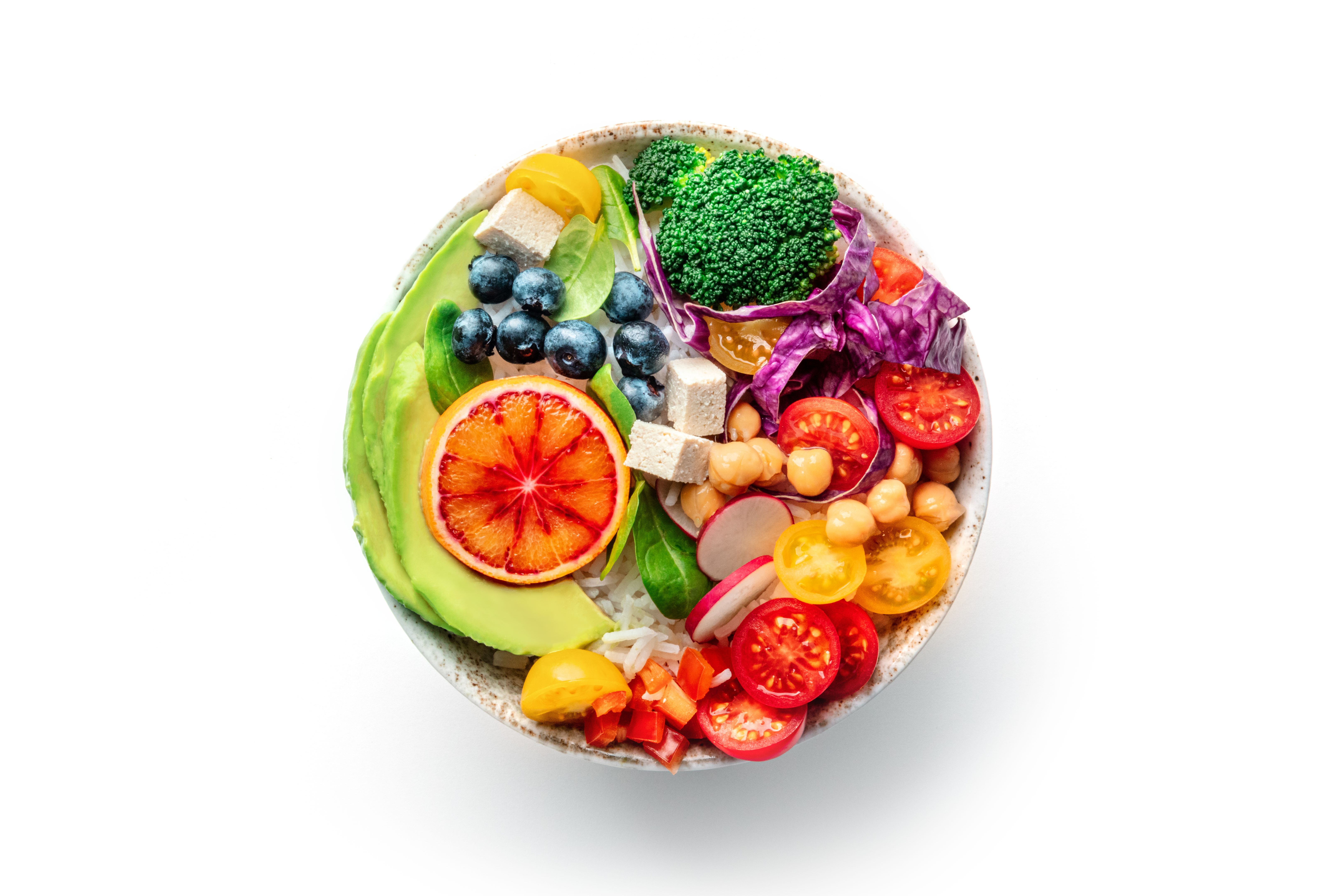
One of the most significant advantages of zero oil dining is the potential for weight management. Since oil is calorie-dense, removing it from your diet can significantly reduce overall calorie intake. This can lead to weight loss or maintenance without the need for strict dieting.
Moreover, zero oil cooking may contribute to better heart health. By avoiding oils, especially those high in saturated fats, you can reduce cholesterol levels and lower the risk of heart disease. Additionally, this cooking style often emphasizes fresh, whole ingredients, further boosting its health benefits.
Techniques for Zero Oil Cooking
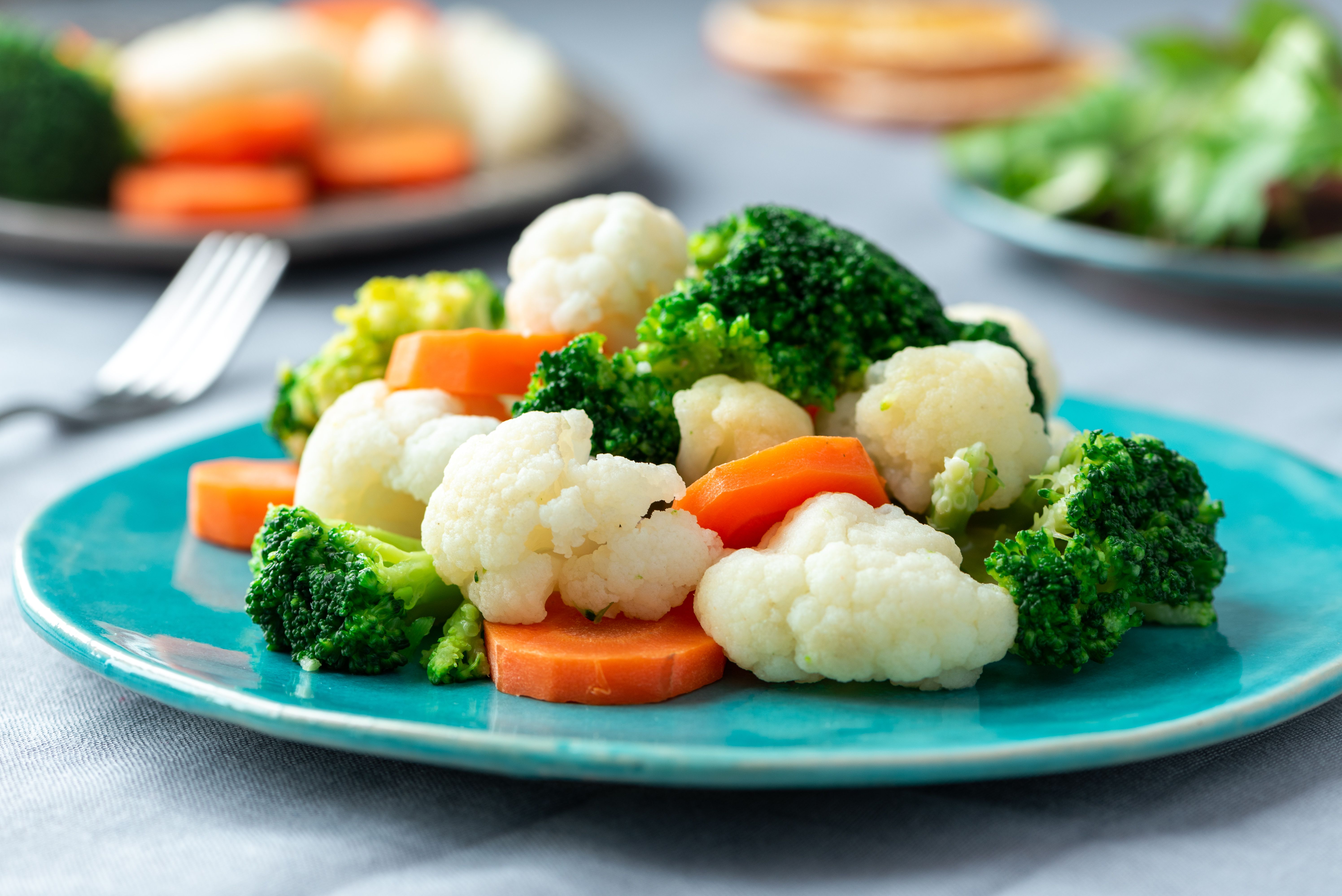
When it comes to zero oil cooking, the choice of cooking techniques is crucial. Steaming, grilling, and baking are popular methods that can bring out the natural flavors of ingredients without the need for oil. These techniques also help in retaining the nutrients in your food.
Another technique is using non-stick cookware, which reduces the need for oil to prevent sticking. Additionally, creative use of herbs, spices, and other flavorings can enhance the taste of dishes, ensuring that the absence of oil does not mean an absence of flavor.
Adapting Recipes for Zero Oil
Transforming your favorite recipes into zero oil versions can be an exciting culinary challenge. Start by identifying recipes that naturally lend themselves to oil-free cooking, such as soups, stews, and salads. For dishes that traditionally require oil, consider substitutions like vegetable broth or purees to add moisture and depth.
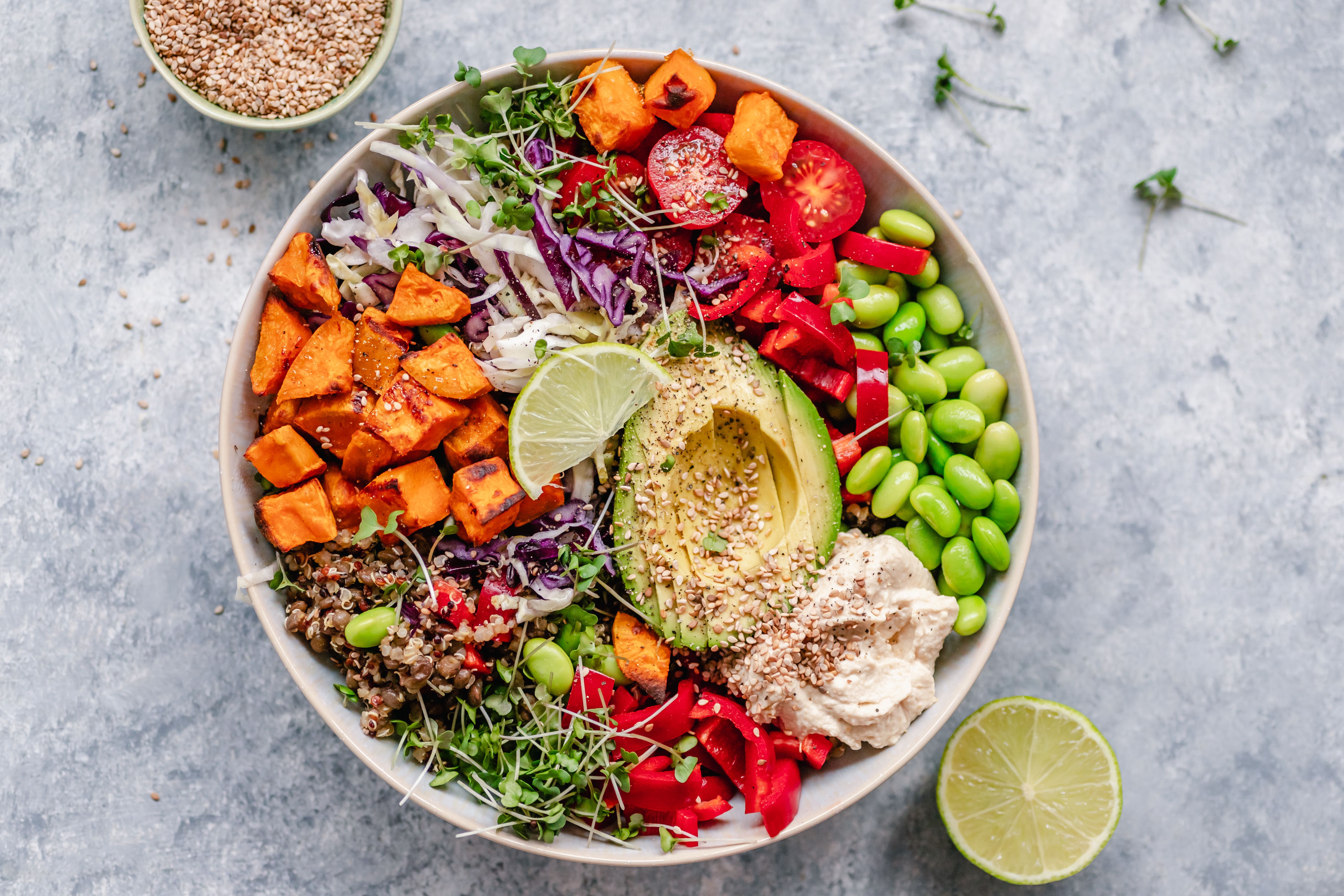
Experiment with a variety of vegetables, legumes, and grains to create balanced and satisfying meals. The key is to maintain a focus on whole, unprocessed foods that provide essential nutrients and fiber.
Embracing a Zero Oil Lifestyle
Transitioning to a zero oil diet doesn't have to happen overnight. Gradual changes, such as reducing the amount of oil used in cooking and exploring oil-free meal options, can make the shift more manageable. As you become more accustomed to this style of cooking, you'll likely discover new foods and flavors that you enjoy.
Beyond personal health benefits, embracing zero oil dining can also have positive environmental impacts. By focusing on plant-based, whole foods, you can reduce your carbon footprint and contribute to a more sustainable food system.
Conclusion: A New Culinary Adventure
Zero oil dining offers a unique and rewarding culinary adventure. By exploring different cooking methods and ingredients, you can enjoy tasty, nutritious meals that support a healthier lifestyle. Whether you're looking to lose weight, improve heart health, or simply try something new, zero oil dining provides an exciting path to explore.
As more people become aware of the benefits and possibilities of zero oil cooking, this trend is likely to continue growing. Why not give it a try and see how it can transform your culinary experiences?